订单满 $49 美元免运费!立即购买 ⇨

Understanding Electric Microneedling Devices: A Comprehensive Guide

Microneedling has become a buzzword in skincare. It promises youthful skin, but what makes electric microneedling devices stand out in this crowded space?

Electric microneedling devices automate the process, improving precision and boosting collagen production effectively. They stand out due to their adjustable needle depths and controlled speeds, unlike traditional rollers.

These devices are transforming cosmetic skincare by offering an innovative approach that combines effectiveness with flexibility. But what exactly are these devices and how do they differ? Let’s explore further.

What is a Microneedling Pen?

Curious how a microneedling pen works its magic? Here’s the lowdown.

Microneedling pens are precise devices that use tiny needles to create micro-injuries, promoting skin repair and collagen growth. Their electric nature ensures consistent results.

For those considering adding it to their regimen, understanding the pen’s components is key. These devices feature adjustable needle depths and speeds (measured in RPM), along with sterile cartridges. Adjustability ensures customization for different skin concerns, while cartridges ensure hygiene and prevent cross-contamination—critical factors for successful treatments. Dive deeper into features, and you’ll appreciate why reliability and precision are their selling points.

Dive Deeper into Microneedling Pens

The heart of a microneedling pen lies in its core mechanism and components. Here’s a structured breakdown:

Component Description
Needle DepthsTypically range from 0.25mm to 2.5mm for versatility
RPMSpeeds can range up to 18,000 RPM for different skin types
Cartridges Can be single-use or multi-use, focusing on hygiene

Customization options provided by microneedling pens are crucial. Different needle depths cater to specific skin concerns, such as acne scars or fine lines. The RPM (Rotations Per Minute) serves as a foundation for applying consistent pressure across treatment areas, ensuring uniform results. Cartridges, meanwhile, protect against contamination, maintaining safety.

How Microneedling Pens Work and How Do They Differ from Alternatives?

Wondering how microneedling pens stack up against other tools like derma rollers?

These pens use electric vibration to penetrate the skin uniformly. Unlike manual rollers which can cause uneven pressure, pens deliver consistent, controlled results.

Comparison of Microneedling Tools

While derma rollers have introduced many to microneedling, the evolution to electric pens represents a leap in both user experience and treatment efficiency. The integration of a motor enhances precision. It also prevents common issues like unnecessary damage or discomfort often experienced with older tools. Focusing on quality, the cartridge and motor should be robust to maximize efficacy and safety.

Dive Deeper into Microneedling Tool Comparisons

The mechanism of microneedling pens is centered around the electric motor, which provides several advantages:

Precision: The motor’s role ensures uniform needle penetration, directly impacting treatment outcomes positively.

Comfort: Users benefit from reduced pain and discomfort due to consistent pressure.

Flexibility:Advanced models allow for depth and speed adjustments, serving diverse skin needs.

Contrasted with derma rollers which rely solely on user application force, pens guarantee an even treatment. Important factors like motor quality and cartridge design distinguish superior models. Prioritizing these elements ensures both practitioners and at-home users can achieve desired results without compromising safety.

Preparation and Safety Protocols: What Should You Follow?

Safety and preparation often determine microneedling results. Caught in doubts about protocols?

Effective pre-treatment involves skin cleansing and sterilizing the pen. Ensuring hygiene prevents infection risks and enhances treatment outcomes.

A structured approach is essential for safe microneedling. Proper protocols span from pre-treatment routines to ensuring device cleanliness. Knowledge of these routines and implementing best practices reassures users about process safety, easing concerns over perceived risks of microneedling. Here, understanding preparation standards fosters confidence for both beginners and professionals.

Dive Deeper into Safety Protocols

Dive Deeper into Safety Protocols

While microneedling offers cosmetic benefits, adherence to safety protocols is non-negotiable. Key areas include:

1. Pre-treatment Procedures:

   – Cleanse face thoroughly.

   – Use an appropriate numbing agent if required.

2. Device Hygiene Standards:

   – Disinfect device components before and after use.

   – Use sterilized cartridges to prevent bacterial contamination.

3. Readiness for Use:

   – Ensure all parts are correctly assembled.

   – Adjust settings such as speed and needle depth for individual needs.

By focusing on these elements, skincare professionals and at-home users can feel assured. They know that correct preparation significantly reduces risk, allowing them to enjoy the benefits of microneedling confidently.

Step-by-Step Treatment Techniques: How to Execute Effectively?

Navigating microneedling can feel daunting without knowing clear steps. Need a treatment blueprint?

Apply serum evenly during needling. Follow recommended patterns for different skin types to achieve optimal results.

unique ensures safety and effectiveness. A step-by-step approach takes the guesswork out of microneedling sessions, meeting the needs of either practice or personal routine. Different needling patterns fulfill unique cosmetic ambitions, whether targeting pigmentation or boosting skin texture. Here, understanding techniques simplifies the complexity often associated with these devices.

Dive Deeper into Treatment Techniques

A successful microneedling procedure hinges on well-defined techniques. Breaking these steps into comprehensible actions maximizes outcomes:

Serum Application:

  Ensure an even layer over the affected area to facilitate needle gliding and nutrient infusion.

Needling Patterns:

  Employ techniques such as vertical or cross-hatch patterns;

  Vertical: Best for small, localized treatment areas.

  Cross-hatch: Ideal for broader regions requiring extensive coverage.

– Depth Guidelines:

  – Superficial wrinkles: up to 0.5mm

  – Moderate acne scarring: 1.0mm to 1.5mm

With practiced techniques, professionals and DIY users can achieve rejuvenating results. Arming oneself with knowledge about diverse treatments, pressure application, and modifications creates consistency in possible outcomes.

Face Mapping: Area-Specific Techniques, What Should You Target?

Unsure about microneedling across different facial zones?

Employ face-specific patterns and pressure techniques to treat individual needs accurately and safely.

Understanding how various facial sections respond to microneedling is vital. Tailored approaches enhance efficacy while avoiding over-treatment in delicate areas. UIKit mapped approach allows users and professionals alike to cater their routines, focusing on microtargeted needs in sectors, such as the T-zone or cheeks. These distinctions in practice elevate overall treatment outcomes.

Dive Deeper into Face Mapping Techniques

The face is a complex area with various zones requiring distinct approaches. Mapping these areas and applying specific techniques can make an entire world of difference:

-Forehead:

  Typically thicker, enabling deeper needle penetration.

– Cheeks:

  Larger areas but require gentler pressure due to sensitive skin.

– T-Zone:

  Often oilier with issues like blackheads; gentle and targeted treatment works best.

Each area benefits from unique considerations. Employing appropriate depth and pressure allows the user to maximize the device’s potential safely. Such specificity in techniques minimizes potential risks while enhancing immediate results for improved skin tone and texture.

Unique Angles and Advanced Considerations: How Can You Elevate Your Approach?

Facing challenges in customizing microneedling for specific needs?

Innovate by adopting personalized techniques and advanced tool features, yielding professional-grade results even for at-home sessions.

The appeal of microneedling often lies in personalization. Unique angles and developments in equipment ease usage, making professional outcomes accessible. Combining cutting-edge features with adaptive treatment styles ensures users capitalize on their tool’s functionality, addressing distinct beauty goals confidently. Here, advanced considerations demystify this process, making expert methods attainable to everyone.

Dive Deeper into Advanced Considerations

Professional versus at-home use is a frequent concern when considering microneedling. The advent of versatile devices blurs these lines, offering insights into customizations not to overlook:

1. Specific Concerns:

Customize needle depths and patterns to target acne scars vs. anti-aging.

2. Professional vs. At-home Devices:

Professional devices may offer additional features like power settings and enhanced precision.

3. Common Pitfalls:

 Avoid inconsistent pressure application, which can lead to patchy results.

Misjudged depth settings can intensify risks without added benefits.

Utilizing these variants and advanced tool features refines microneedling practices. Awareness of common pitfalls leads to effective sessions with minimized concerns, providing clarity and generate optimal results independently.

Conclusion

In microneedling, quality devices, safety, and precision in technique are paramount for achieving optimal outcomes.

Microneedling for Acne Scars: Is It the Solution for You?

Leading paragraph:Imagine walking out the door without worrying about acne scars. Many search for a reliable solution to this common concern.
Microneedling can significantly reduce acne scarring. Studies report up to 60% improvement after three months of treatment, offering a non-invasive solution.

The thought of finding an effective treatment can be both exciting and daunting. Let’s explore how microneedling might help you achieve clearer skin.

Does Microneedling Really Work for Acne Scars?

You’ve probably heard mixed reviews. Is microneedling truly effective against acne scars?

Yes, microneedling is effective for acne scars, boasting a 51-60% improvement after three months of treatment.

To understand microneedling’s efficacy, we look at clinical studies. These studies show consistent improvement in scar visibility, with 51-60% reduction in scar depth following a series of sessions over three months. This effectiveness is attributed to the skin's natural healing process stimulated by micro injuries. These tiny pricks prompt collagen production, a key protein in skin repair. Collagen induction therapy, as its sometimes called, leverages the body's natural repair mechanisms. Patients often report significant scar reduction and improved skin texture after multiple sessions.

How Does Microneedling Treat Acne Scars?

Curious about how microneedling tackles those deep-rooted scars?

Microneedling treats acne scars by inducing collagen production, repairing skin at the cellular level for rejuvenation.

Microneedling employs tiny, sterilized needles to create micro-injuries in the skin’s surface. These micro-injuries stimulate the body’s natural healing response, activating fibroblasts, the cells responsible for collagen and elastin production. The influx of these proteins rejuvenates the skin, smoothing and plumping pitted scars. Over time, this process rebuilds skin structure, reducing the appearance of scars and improving overall texture. Besides collagen production, microneedling also enhances the absorption of topical treatments, making them more effective. This dual action—skin stimulation and absorption enhancement—makes microneedling a robust option against acne scarring.

What Types of Acne Scars Respond Best to Microneedling?

Not all scars are created equal. Which types respond best to microneedling?

Understanding scar types is essential for gauging microneedling’s potential. Atrophic scars, characterized by loss of tissue, are most common. These include boxcar (broad, shallow indentations), rolling (wave-like appearance), and ice pick scars (deep, narrow). Microneedling excels with boxcar and rolling scars due to its collagen-stimulating capabilities. This stimulation thickens the skin, reducing scar depth. Ice pick scars, due to their depth, might require complementary treatments for optimal results. When evaluating whether microneedling is ideal, consulting a professional to assess your specific scar types can guide effective treatment plans.

How Many Microneedling Sessions Do You Need?

Wondering how many sessions it takes to see real change?

Each individual’s skin and scar condition vary, defining session needs. Generally, patients require between 3 to 6 sessions, each spaced four to six weeks apart. This timeline allows the skin’s natural repair processes to take effect fully. After the initial results appear, maintenance sessions every 6-12 months help preserve improvements. Factors influencing session frequency include the severity of scars, skin type, and the body’s response to microneedling. Each session builds on the last, with most patients noting significant progress by the third session. Regular evaluation by a skincare professional ensures treatment aligns with skin’s condition and response.

Is Microneedling Safe for All Skin Types?

Is it suitable regardless of your skin tone?

Snippet paragraph:

Microneedling is generally safe for all skin types, with careful handling required for darker skin tones to avoid hyperpigmentation.

Atrophic scars, including boxcar and rolling scars, show the best improvement with microneedling treatments.

Microneedling is hailed for its applicability across various skin types. Unlike some treatments that target specific skin pigments, microneedling is mechanical and doesn’t rely on light or heat, making it suitable for darker skin tones. However, the risk of post-inflammatory hyperpigmentation (PIH) means treatment should be approached cautiously. Precise needle depth, sterilization, and experienced practitioners reduce these risks. Post-treatment care is vital. Skincare professionals often recommend specific serums and sun protection to optimize healing while minimizing pigmentation risks. Personalized assessments ensure safety and efficiency, addressing individual skin concerns and histories.

Can You Combine Microneedling with Other Treatments?

Wondering if combining treatments might enhance results?

Yes, combining microneedling with PRP or serums can enhance results and shorten recovery.

Combination therapies leverage the strengths of multiple treatments. Platelet-Rich Plasma (PRP), derived from the patient’s blood, is rich in growth factors that boost healing and collagen production, complementing microneedling. When applied post-microneedling, PRP accelerates recovery and enhances results, making it ideal for deeper scars. Topical serums, rich in vitamins and peptides, also benefit from microneedling’s enhanced absorption effect. These combinations not only boost effectiveness but can also address a broader range of skin concerns. Always consult with a skincare professional to tailor a treatment plan to your specific needs and skin conditions.

What Are the Side Effects and Recovery Time?

Leading paragraph:

Concerned about the aftermath of microneedling?

Snippet paragraph:

Typical side effects include redness and swelling, with recovery time generally at 2-3 days.

Post-microneedling, patients often experience mild side effects such as redness, swelling, and minor bruising, akin to mild sunburns. These effects typically subside within two to three days. The treated area might feel warm or tight, indicating the body’s healing processes at work. Important recovery practices include avoiding sun exposure, using gentle skincare products, and staying hydrated. Specific serums like hyaluronic acid can aid in soothing and hydrating the skin during recovery. Monitoring for unusual reactions and maintaining open communication with your treatment provider ensures any issues are promptly addressed. Overall, minimal downtime makes microneedling a convenient option.

What Is the Cost of Microneedling for Acne Scars?

Budgeting for beauty can be tricky. What costs should you expect?

Microneedling costs between $425 and $700 per session, making it a cost-effective alternative to invasive treatments.**

Microneedling’s cost varies depending on the provider’s expertise, session length, and geographic location. Typically, a session ranges from $425 to $700. When compared to more invasive procedures like laser therapy, microneedling offers similar benefits at a fraction of the cost. Plus, its minimal downtime adds indirect savings. Considering the average requirement of 3-6 sessions, budgeting for the entire course is crucial. Some clinics offer package deals, reducing per-session costs. Evaluating cost against benefits, including aesthetic improvement and confidence gains, positions microneedling as a holistic, worthwhile investment in skin health.

What Should You Expect During a Microneedling Procedure?

Curious about the microneedling experience?

The procedure involves cleansing, numbing, microneedling, and soothing, lasting 30-60 minutes.

A microneedling session typically starts with a thorough cleansing of the face, followed by the application of a topical anesthetic to minimize discomfort. Once numbing takes effect, the practitioner uses a microneedling device to create controlled punctures in the skin. This process takes about 30 minutes. Post-treatment involves applying calming serums or a healing mask to soothe the skin. Patients might feel warmth or tingling, akin to light sunburn. Deep hydration and gentle care post-procedure aid recovery. An hour-long resting time post-procedure is recommended to let the skin settle. Discuss any concerns with your provider beforehand to ensure a comfortable experience.

Microneedling vs. Other Acne Scar Treatments: Which Is Best?

Is microneedling the right choice against other treatments?

While microneedling is effective and less invasive, some scars may need combined or alternative treatments like laser therapy for best results.

A comparative approach clarifies the best path for acne scarring. Microneedling’s advantage is its minimally invasive nature and shorter recovery time compared to laser treatments, which use light to reduce scar visibility. While lasers may offer superior results for certain scars, they often require longer downtime and have higher costs. Chemical peels offer improvement but more for superficial scarring. A blended strategy, using microneedling with other treatments like PRP, often yields the best results across various scar types. Consulting with professionals ensures optimal combination, tailored to individual needs and skin conditions.

Conclusion

Microneedling offers promising results for acne scar treatment, proving a competitive option with less downtime and cost, especially when tailored by professionals with combined therapies.

 Complete Guide to Stretch Marks Reduction

Stretch marks are a common skin issue, often affecting women and bodybuilders who pursue skin elegance and seamlessness. But is there a solution?

Stretch marks develop due to rapid skin stretching, causing collagen disruption in the dermis. Treatments like microneedling show promise in reducing appearance.

Despite various treatment claims, evidence-backed methods are key for effective stretch mark reduction.(what is

What are Stretch Marks?

Stretch marks affect many, disrupting skin smoothness and causing self-consciousness. What exactly are they?

Stretch marks are scars formed when skin stretches quickly, with types including striae rubrae (red) and striae albae (white).

Dive Deeper into Stretch Marks

Stretch marks, scientifically known as striae distensae, originate when the skin loses elasticity, often during pregnancy or significant weight changes. Striae rubrae are the initial red or purple marks, evolving into striae albae, which are white and flatter. Factors involved include hormonal changes influencing collagen production, skin type, and genetics.

Understanding the Science Behind Stretch Marks

Stretch marks lead many to seek effective remedies – but what drives their persistence?

Science shows stretch marks result from dermal collagen disruption, leading to myths surrounding treatments. Effective management relies on scientific insight.

Dive Deeper into the Science

Stretch marks occur due to alterations in collagen and elastic fibers within the dermis, primarily caused by physical skin overstretching. Underlying changes often result in a scar-like appearance. Despite widespread myths suggesting topical remedies, evidence indicates professional treatments offer more reliable results. Understanding the dermal factors is crucial for effective management, with studies revealing a significant link between collagen disruption and stretch mark formation.

Proven Treatment Options for Stretch Marks

Stretch marks often discourage those seeking skin perfection. Could treatment options offer ideal solutions?

Microneedling, laser therapies, and topical retinoids offer scientifically backed methods to reduce stretch marks.

Dive Deeper into Treatments

Microneedling, a minimally invasive technique, stimulates collagen production by creating micro-injuries in the skin. Laser therapies like fractional laser target affected areas, promoting collagen remodeling effectively. Topical retinoids enhance skin turnover, aiding in scar reduction. Combining these methods often maximizes results, leading to notable skin improvements. Scientific studies from [PMC](https://pmc.ncbi.nlm.nih.gov/articles/PMC5782435/) confirm the efficacy of these treatments, emphasizing the importance of professional guidance.

Emerging Trends in Stretch Marks Treatments

Stretch marks challenge skincare enthusiasts. Can emerging trends transform traditional treatments?

Future innovations promise enhanced outcomes in stretch marks management, integrating multiple methodologies for superior results.

Dive Deeper into Future Trends

Emerging dermatological practices explore novel combinations of microneedling with PRP (Platelet Rich Plasma) and advanced laser protocols. These integrative methods aim to offer personalized treatment plans, targeting specific skin conditions and ensuring optimal results. As scientific knowledge advances, future solutions will likely focus on personalized care, leveraging the strengths of current methodologies while minimizing side effects. [Future Market Insights](https://www.futuremarketinsights.com/blogs/stretch-mark-removal-separating-facts-from-myths) reveal promising directions in device innovation, suggesting a transformative era for stretch mark treatments.

Personalizing Your Approach to Stretch Marks

Skin types vary, complicating stretch mark treatment. How can personalization improve efficacy?

Customized treatments accommodate different skin types, ensuring safer approaches and minimizing risks.

Dive Deeper into Personalization

Personalizing stretch mark treatments involves considering individual skin characteristics. Lighter skin may respond differently to treatments than darker skin, necessitating tailored approaches. Risk factors such as skin sensitivity and historical response to therapies play a role in deciding the most suitable method. Consulting professionals ensures patients receive the safest, most effective treatment plans, minimizing potential side effects and optimizing outcomes.

Real-Life Results and Testimonials

Personal experiences convey reality in stretch mark treatment. What do real-life results reveal?

Patients report significant improvement post-treatment, with visible stretch mark reduction.

Dive Deeper into Real-Life Experiences

Real-life testimonials highlight the success of evidence-backed treatments in stretch mark reduction. Patients consistently report changes in stretch mark visibility, favoring procedures like microneedling and laser therapies. Before and after comparisons display significant improvements, reinforcing the value of professional methods. Visual evidence demonstrates tangible outcomes, encouraging individuals to explore scientific options for more consistent results.

Conclusion

Consult professionals to explore effective, science-backed stretch mark reduction methods tailored for your skin.

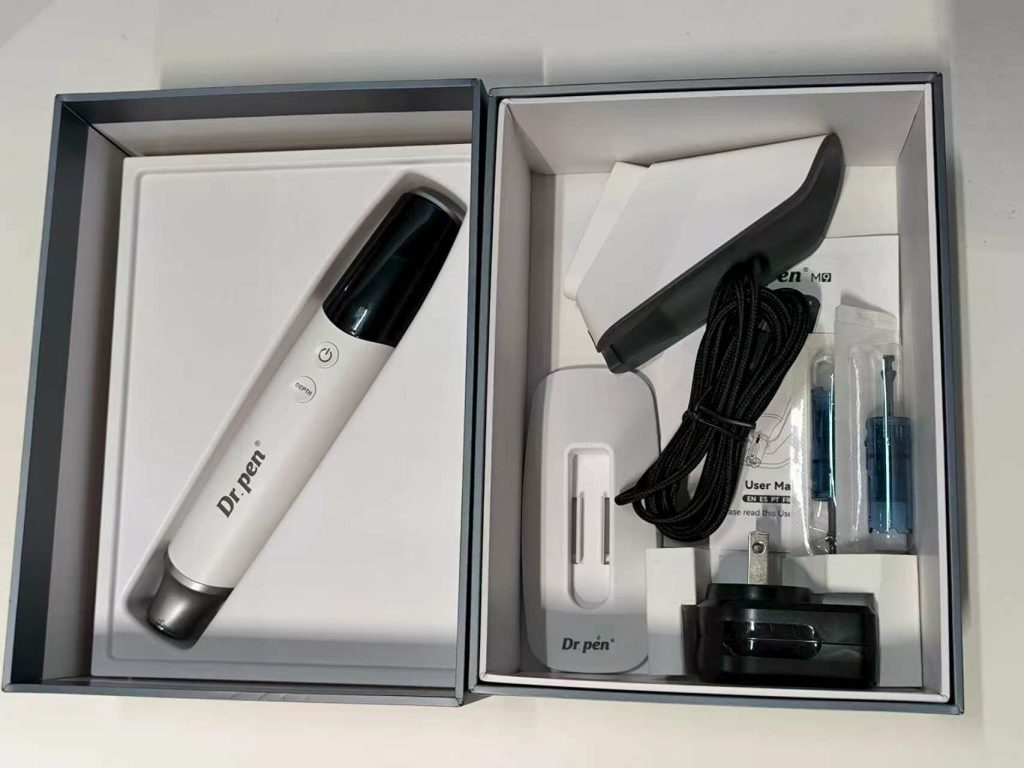
 What is Dr. Pen Microneedling?

Revitalize your skin with Dr. Pen microneedling, a breakthrough treatment combating wrinkles and scars effectively in the comfort of your own home.

Dr. Pen’s microneedling devices offer professional-grade skin rejuvenation by creating controlled micro-injuries, enhancing collagen production and improving overall skin texture. Ideal for at-home treatments, Dr. Pen ensures safe, effective results.

Understanding the mechanics and benefits of microneedling can help you make informed decisions and achieve the best results with Dr. Pen.

Understanding Microneedling and Its Benefits?

Microneedling enhances skin by boosting collagen, appealing to beauty enthusiasts everywhere.

Microneedling involves using tiny needles to create micro-perforations, stimulating collagen and elastin production, which smoothens and revitalizes the skin.

Microneedling has emerged as a popular method for rejuvenating skin. This technique causes controlled skin injuries, encouraging the body’s wound-healing process. As the skin heals, it forms new collagen and elastin, making skin firmer and more youthful.

The real advantage of using devices like Dr. Pen for microneedling is the affordability and convenience of treating skin concerns at home. Dr. Pen has designed its microneedling devices to deliver the same efficacy as clinical treatments. Users can treat scars, wrinkles, and even hyperpigmentation with consistent usage. Knowing how microneedling stimulates natural healing encourages users to trust and invest in their skincare routines.

Using microneedling to enhance skin beauty taps into one of the fundamental desires people have—the desire to look and feel youthful. However, it is essential to use the right technique and equipment. This involves understanding different skin types and determining the necessary needle depth for effective results. The harmony between technological innovation and simple use that Dr. Pen offers reflects in your skin’s transformation, sticking to your aesthetic preferences.

How to Choose the Right Dr. Pen Microneedling Device?

Confused about choosing a Dr. Pen device that suits your needs best?

Choosing a Dr. Pen device depends on your skin type, treatment goals, and the specific features of each model.

Dr. Pen offers a variety of microneedling devices, each crafted to meet different skin care needs. Some models like the Dr. Pen A6 offer wireless functionality, while others like the Dr. Pen Ultima N2 are valued for their precision. Selecting the right device demands consideration of several factors.

Among these factors, one must consider the skin type and treatment area. Sensitive skin might require a more gentle device with finer needles, while textured skin might benefit from a more robust model. Additionally, ease of use and ergonomic design enhance user experience, making treatments quick and efficient.

A comparative analysis of device specifications helps prospective users make the best decision. Equipping oneself with a clear idea of price range, needle depth capabilities, and user reviews gives confidence in purchasing decisions. In the table below, key features of popular models are presented:

Model  FeaturesBest For
Dr. Pen A6 Wireless, Adjustable SpeedFlexible Usage
Dr. Pen N2Precise Needle AdjustmentSensitive Areas, Beginners

Each Dr. Pen device excels in providing an at-home solution that doesn’t compromise safety or effectiveness, offering professional-level skincare tailored to individual needs.

Step-by-Step Guide to Using Dr. Pen Microneedling?

Achieve perfect skin with Dr. Pen by following simple preparation and treatment guidelines.

snippet paragraph:

Prepare your skin with cleansing and numbing before using the Dr. Pen device. Follow through with a systematic motion for uniform treatment.

Embarking on an at-home microneedling journey requires a detailed understanding of preparation, application, and post-treatment care. This ensures that maximum benefits are achieved without complications. Preparation is key. Begin by cleansing the face thoroughly with a mild cleanser. This will remove any impurities that could contaminate the skin during treatment.

After cleansing, applying a numbing cream is advisable, especially for those new to microneedling or with sensitive skin. Follow the instructions provided by the cream’s manufacturer for the best results.

When it comes to usage, ensure that the Dr. Pen microneedling device is clean and all attachments are properly affixed. Start using the device by gliding it gently over the skin in a systematic motion. This includes vertical, horizontal, and diagonal passes to ensure complete coverage. Keep even pressure to avoid irritation.

Always remember to adjust the depth setting of the needles based on the area being treated and the specific concerns, such as acne scars or fine lines. It’s imperative to avoid over-treating an area as this can cause undue stress to the skin.

Post-treatment care includes applying a hydrating serum to soothe and nourish the skin, aiding in the healing process. Avoid direct sunlight and harsh skincare products for several days to allow the skin to recover properly.

 Common Mistakes to Avoid with Microneedling?

Maximize results by avoiding common microneedling mistakes many home users make.

Avoid overuse and improper technique to prevent skin damage. Always maintain cleanliness and follow manufacturer’s instructions.

Navigating the intricacies of microneedling at home can be daunting without prior experience. It’s easy to fall into common pitfalls if not properly informed. Overuse is one of the biggest errors. Many assume more frequent treatments will yield faster results, but this can lead to skin damage and increased sensitivity.

The use of harsh skincare products post-treatment likewise poses risks. Ingredients like retinol and exfoliating acids can irritate newly microneedled skin if used prematurely. Following each session, sticking to calming and hydrating formulations is essential.

Furthermore, hygiene cannot be overstated. Ensuring all equipment is sterilized before and after use prevents infections. Take consistent steps to keep microneedling practice clean.

Technique also plays a crucial role. Uneven pressure or inconsistent movement patterns can lead to patchy results or skin trauma. A steady hand and a relaxed approach provide even treatment distribution, which is vital for the skin.

Finally, it’s critical to understand limitations. Microneedling is not suitable for extremely sensitive skin or active acne breakouts. Consult a healthcare professional if unsure about conditions or results.

Adhering to recommended best practices allows users to benefit fully from the potential of Dr. Pen microneedling, ensuring the journey to radiant skin is both safe and effective.

 Aftercare and Expected Results?

Embrace your post-microneedling glow with careful aftercare to ensure radiant results.

Post-treatment involves moisturizing, avoiding irritants, and protecting from the sun. Expect noticeable improvement in skin texture and elasticity over weeks.

Caring for your skin after a microneedling session is as crucial as the treatment itself. Proper aftercare not only ensures optimal healing but also maximizes the benefits of microneedling. The immediate actions post-treatment should focus on soothing and protecting the skin.

Hydration is vital, as microneedling can temporarily disrupt the skin barrier. Hydrating serums enriched with hyaluronic acid are particularly beneficial during this period. Avoiding sun exposure is critical to prevent pigmentation issues while the skin is recovering.

When it comes to expected results, patience is essential. Improvements in skin texture, tone, and elasticity become noticeable over a period of weeks as collagen production ramps up—a process stimulated by the micro-injuries.

It’s also important to manage expectations. Microneedling presents significant improvements for fine lines, minor scars, and overall skin vitality, but deep wrinkles and deeper scars might necessitate more intensive treatments and professional consultations.

By maintaining a regular schedule and following comprehensive aftercare regimens, users can look forward to long-term positive changes in their skin. Listening to your skin’s needs and adjusting routines as necessary ensures that each treatment not only addresses present concerns but contributes to prolonged skin health.

A Dr. Pen microneedling device ensures effective and safe home skincare, bringing clinical treatment results to your hands.

What Is a Dr. Pen Microneedle?

Microneedling with Dr. Pen offers remarkable skin rejuvenation, but what makes it unique? Let’s explore its benefits, differences, and safe use at home.

Dr. Pen microneedling revitalizes skin by stimulating collagen production, offering a DIY solution similar to professional treatments, yet with more convenience.

Using Dr. Pen isn’t just about turning back the clock on your skin. It’s about understanding how microneedling can fit into your at-home routine seamlessly.

Understanding Microneedling and Its Benefits?

Are home microneedling devices like Dr. Pen truly effective in skincare?

Dr. Pen microneedling stimulates collagen renewal, reduces wrinkles, and enhances skin texture effectively at home, bridging the gap between clinic visits and personal care.

Microneedling leverages tiny needles to create micro-injuries in the skin, prompting a healing response. This home treatment offers sustained results over time, reducing the need for frequent professional sessions.

Key Benefits of Microneedling:

Benefit        Description
Collagen ProductionStimulates skin’s natural healing mechanisms   
Wrinkle ReductionSmoothens skin, reducing fine lines and aging signs    
Scar Improvement  Effectively lessens visibility of scars and blemishes

Microneedling’s ability to boost collagen makes it a sought-after beauty treatment globally. With its growing popularity, it shows promising effects against aging concerns, akin to professional interventions.

Different Models of Dr. Pen Microneedles?

Choosing the perfect Dr. Pen model can be daunting with numerous choices.

Dr. Pen models like A1, M8, and A20 offer versatility for varied skin needs. Their unique features cater to specific concerns like scar treatment and anti-aging.

Understanding each model’s specifications allows a tailored approach to your skin care routine.

Comparing Dr. Pen Models:

Model Battery LifeNeedle DepthSpecial Feature
A1  Long Adjustable Compact design for easy handling      
M8  Medium Fixed Enhanced stability for precise probing
A20 ExtendedVariableSuitable for sensitive skin treatments

The versatility of each Dr. Pen model ensures a fit for varying needs, offering adjustable settings to cover professionals and newbies alike. Selecting the right cartridge becomes equally crucial to address specific skin challenges, enhancing microneedling efficacy.

How to Use a Dr. Pen Microneedle at Home?

Facing risky outcomes from home microneedling can be worrisome.

Using a Dr. Pen microneedle safely at home involves preparation, technique awareness, and diligent aftercare to ensure optimal results without adverse effects.

Step-by-step guidance and adhering to safety can truly make a difference.

Essential Steps for Safe Home Microneedling:

Step       Action   
Preparation  Cleanse skin thoroughly and apply topical anesthetic
ApplicationGlide the pen evenly across the skin’s surface
Post-treatment Apply soothing serum, avoid direct sun exposure

Being equipped with necessary knowledge mitigates potential risks, providing a fulfilling skin session. Avoid beginner mistakes by using light pressure and maintaining device hygiene.

Expected Results and Treatment Frequency?

How soon can one see the fruits of microneedling labor?

Anti-aging results can be visible between four to six weeks with regular Dr. Pen use, transforming into smoother, rejuvenated skin over time.

Consistency is key in microneedling; adhering to a proper schedule enhances visible improvements.

Recommended Treatment Plan:

Schedule Benefit Description
WeeklyAccelerates wound healing and collagen synthesis
Bi-weeklyReduces redness and ensures stabilization
MonthlyConsolidates long-term skin benefits

Ensuring consistent usage outlines skin improvements steadily. It’s paramount to follow recommended frequency, tailoring to individual skin needs for best results.

Safety Considerations and Aftercare?

Microneedling can seem intimidating if not done carefully.

Users must execute microneedling procedures with precise technique to avoid side effects, customizing best post-care practices tailored for skin recovery.

Prevent adverse reactions by ensuring optimal device hygiene and methodical application.

Effective Aftercare Practices:

PracticeAction
Immediate Skin Care Use moisturizer and sunblock to shield against UV exposure
HydrationKeep skin hydrated to facilitate repair & growth

A well-executed aftercare plan prioritizes skin health. This ensures seamless recovery and maximizes benefits from microneedling sessions.

Comparing Dr. Pen Microneedling to Spa Treatments?

Navigating between domestic care and professional visits might seem perplexing.

Weighing the pros and cons helps establish when home microneedling suffices compared to spa appointments.

Determine the balance between accessibility and professional care to craft tailored decisions.

At-home vs. Professional Treatments:

TypeAdvantages Disadvantages
At-home Cost-effective, convenientRequires self-discipline and hygiene
ProfessionalSkillful execution, precise controlHigher costs, appointment scheduling

Ultimately, knowing when to switch between both enables individuals to meet beauty goals effectively, capitalizing on heightened skincare understanding.

Conclusion

Dr. Pen microneedling offers versatility and efficacy, ensuring safe use and promising outcomes when executed correctly.

Complete Dr. Pen Microneedling Pen Comparison Chart (Latest Update)

If you’re confused about the differences between the various Dr. Pen models. And don’t know how to choose, this detailed comparison chart can help. It covers models, key features, cartridge types, and more. We’ll keep it updated as new models or changes are released.

How long after microneedling on the face can use tanning products or sunbathe?How long after microneedling can do hydra facial ?

Based on the search results, you can typically get a HydraFacial about 7 to 10 days after microneedling .

This timeline allows your skin to complete the initial healing phase. The source specifically notes that pairing microneedling with “intense hydration, such as with a Hydrafacial” during this window can be beneficial for removing dead skin cells and boosting cellular turnover .

A couple of important notes:

  • This recommendation comes from a clinical context discussing combining microneedling with deep hydration treatments
  • Always check with your aesthetician first, as individual healing times can vary based on your skin’s sensitivity and the depth of your microneedling treatment

After microneedling treatment, the skin needs adequate time to repair its barrier. Before tanning (whether through sun exposure or artificial tanning products), you must wait until the skin is fully healed; otherwise, it can easily lead to severe hyperpigmentation (dark spots), burns, or allergic reactions.

Based on recommendations from multiple authoritative medical sources, here are the specific timelines and precautions:

⏳ Safe Tanning Timeline After Microneedling

StageTimeframeTanning Allowed?Key Reasons & Care Points
Acute Recovery PhaseDays 0-7 post-treatmentStrictly ProhibitedThe skin has micro-wounds and has lost its barrier function. Tanning (whether sun exposure or using products) at this stage will directly irritate the wounds, causing severe pain, infection, and significant hyperpigmentation. Strict physical sun protection (hats, masks, umbrellas) should be used.
Photosensitive PhaseWeeks 2-8 post-treatmentStrictly ProhibitedThis is the most critical risk period. Invasive treatments like microneedling remove or remodel the top layers of skin. Newly formed tissue is very fragile and extremely sensitive to UV rays (photosensitive). Complete skin regeneration and recovery of its defensive capabilities typically take 4 to 8 weeks, depending on the treatment depth. During this time, any form of sun exposure or artificial tanning significantly increases the risk of Post-Inflammatory Hyperpigmentation (PIH) . Once darkening occurs, it may take months to fade.
Consideration PhaseAfter 8 weeks post-treatmentPossible to consider, but with extreme cautionTheoretically, the skin has mostly recovered. However, it is recommended to consult with your therapist first to confirm your skin’s condition. If you decide to tan, start with short durations and low intensity to observe your skin’s reaction. Continue with basic sun protection and moisturizing.

💡 Why Is Waiting This Long Necessary?

  1. Core Risk: Photosensitivity and Hyperpigmentation
    Any treatment that punctures or injures the outer layers of the skin (including microneedling) makes the new tissue more susceptible to UV damage. Tanning, whether through UV exposure (sunlight or tanning beds) or by applying dihydroxyacetone (DHA, the main ingredient in spray tans), can strongly irritate new skin, easily leading to difficult-to-reverse hyperpigmentation.
  2. UV Damage Is Not Mitigated
    A 2020 study showed that even when using Vitamin C in conjunction with microneedling, it did not improve the parameters of UV-induced damage to the skin. This indicates that for skin already compromised by a microneedling procedure, UV radiation is a clear and unavoidable source of harm, not a safe means of tanning.
  3. Wound Healing and Environmental Contraindications
    For the first 7 days post-treatment, the skin needs to avoid high-temperature, high-humidity environments (like saunas, hot springs) to prevent infection. Tanning (especially sunbathing or using tanning beds) raises body surface temperature, which can cause vasodilation, worsen redness and inflammation, and hinder the healing process.

🩺 Key Expert Recommendations

  • Completely Avoid Unprotected Sun Exposure: For at least 1-2 weeks after treatment, completely avoid any unprotected sun exposure.
  • Skin Regeneration Cycle: Wait until the skin has fully regenerated, which typically takes 4 to 8 weeks, before considering tanning.
  • Sun Protection is Key: During the recovery period, practice strict physical sun protection. After recovery, use a broad-spectrum sunscreen with at least SPF 30+ and PA+++ rating as part of your daily routine.

Summary: For the sake of your skin’s health and to maximize the results of your microneedling treatment, it is recommended to wait at least 4-8 weeks after the procedure and obtain professional confirmation that the skin barrier is fully restored before considering tanning. During this time, diligent sun protection is the most important thing you should do.

Dr. Pen Cartridge Pin Type Comparison – What Each One Is Best For by Skin Concern

🔹 Lower pin (9–18): More precise, deeper penetration — great for acne scars & stretch marks. More painful.
🔹 Higher pin (24–42): Covers more surface, ideal for improving skin texture & tone. Less painful.
🔹 Nano tips: Gentle and great for absorption, pigmentation, and daily care & glow. Painless.

General Tips:

🔹 Lower pin (9–18): More precise, deeper penetration — great for acne scars & stretch marks. More painful.
🔹 Higher pin (24–42): Covers more surface, ideal for improving skin texture & tone. Less painful.
🔹 Nano tips: Gentle and great for absorption, pigmentation, and daily care & glow. Painless.

18 pin and 16 pin are mostly the same in terms of for usage.

Salon Suite Layouts by Size: Floorplan Ideas for Every Space

Salon Suite Layouts by Size: Floorplan Ideas for Every Space

Whether you’re working with 100 square feet or 500, the way you layout your salon suite can dramatically impact how you work, how your space feels, and how your clients experience it. A smart layout helps eliminate clutter, improves service flow, and maximizes your earning potential—without the need for extra square footage.

Below, we break down salon suite layout strategies by space size, with expert tips, real-world configurations, and visuals to help you make the most of every inch.

Small Suites (100–150 sq. ft.) – Compact & Efficient

How to Make It Work:
Small suites are all about functionality and minimalism. Ideal for solo stylists, estheticians, and tattoo artists just starting out, this size rewards thoughtful design. Use every vertical inch for storage, keep furniture compact, and choose multi-functional equipment to get the most from a smaller footprint.

Design Priorities:

  • All-in-one wall mounted wet stations are great for spaces of this size.
  • Compact all-purpose chair and narrow shampoo backwash unit
  • Foldaway trays or rolling carts to reduce countertop clutter

Pro Tip: A mirrored wall instantly opens up the room and brightens your workspace.

Medium Suites (150–250 sq. ft.) – Room to Grow

How to Make It Work:
This suite size gives solo stylists the space to expand their service menu and elevate their client experience. With more room for a full-size shampoo area and seated guest space, you can create a luxury feel without sacrificing function.

Design Priorities:

  • Create separation between service zones (styling vs. shampoo)
  • Use dual-drawer cabinetry or a color bar for efficient backbar access
  • Add a small guest chair or display shelf for retail and ambiance


 Pro Tip: Invest in an LED-lit mirror to boost both visibility and luxury.

Large Suites (250–350 sq. ft.) – Flexible & Functional

How to Make It Work:
This size is ideal for two stylists sharing space, or for a solo stylist offering multi-service appointments (color, cut, facial, etc.). With room for more storage, a shared shampoo zone, and even a drying or spa area, your layout should support both efficiency and comfort.

Design Priorities:

  • L-shaped or U-shaped floorplans create flow
  • Shared shampoo unit and central color station
  • Optional spa bed or processing zone adds service flexibility


  Pro Tip: Use neutral finishes and layered lighting to tie the whole space together visually.


Extra-Large Suites (350–500 sq. ft.) – Multi-Service Powerhouses

How to Make It Work:
With this much space, your layout can begin to mimic a full-service salon. Whether you’re bringing in another stylist or adding lash, spa, or waxing services, it’s all about separating the suite into clearly defined zones while maintaining an inviting atmosphere.

Design Priorities:

  • Style, shampoo, drying, and spa areas laid out in distinct zones
  • Consider a beverage station or mini-reception area to elevate experience
  • Floating or mobile storage allows easy reconfiguration as services evolve


 Pro Tip: Soft dividers, acoustic panels, or greenery walls create privacy and tranquility between zones.


2026 Beauty Industry Hotspot Forecast: $300k Insights from the World’s Top Consultancies(Connotation latest report)

As a sourcing agency with a decade of experience, I must tell you: we have seen countless insightful salons double their loyal customer base and achieve 2-3x their usual profits simply by seizing a single hotspot or market trend. Smart salon owners rely on stable, professional information sources rather than judging the market solely through social media platforms like TikTok or Instagram.

The world’s leading research firms utilize the Global New Products Database (GNPD) to forecast trends and formulate consumer reports. Every year, we purchase and synthesize annual research from Mintel, Nielsen (NIQ), Euromonitor, and Kantar (Data source: Official institutional websites). We print these insights into physical playbooks at our Beijing office and mail them to our partner clients, ensuring their operations run more smoothly through heightened market sensitivity.

This year, by combining deep forecasts for 2026 from these “Big Four” agencies, we have distilled trend shifts across four core categories and summarized actionable solutions. Whether you are a retail-focused storefront or a service-only salon, you will find your strategic direction here.


1. Facial Skincare: From “Anti-Aging” to “Metabolic Beauty”

This is a core 2026 concept proposed by Mintel, suggesting that skincare is entering the era of “Cellular Health.”

  • Mintel View: Skincare is no longer just about surface repair; it focuses on cellular metabolism, biological rhythms, and bio-intelligent technology. The key lies in monitoring biomarkers (e.g., hydration, cortisol levels) to achieve personalized repair.
  • Euromonitor & NIQ View: Emphasis on “Clinical Confidence.” Consumers are seeking “Laboratory-grade Alternatives” that simulate the effects of medical aesthetic procedures.
  • Core Categories: Plant-derived Exosomes, Recombinant Collagen, Bio-fermented Ceramides.
  • Actionable Advice: Brands must prove their products improve skin from the cellular root rather than just providing visual coverage. Consider introducing high-end brands and machinery with biotechnological backgrounds.

2. Body & Sensory Care: Neuro-Aesthetics and “Sensorial Synergy”

Mintel identifies 2026 as the year of “Sensory Evolution,” where a product’s emotional regulation function becomes the primary driver for purchase.

  • Mintel View: Introducing “Neuro-aesthetics,” where the skincare process is treated as a multi-sensory healing ritual. Fragrance is no longer an ornament but a functional tool (e.g., triggering oxytocin or reducing stress).
  • Euromonitor View: The “Facialization” of body care. Consumers are investing in body skin at levels comparable to facial care, with a specific focus on sun protection and barrier repair.
  • Core Categories: Neuro-sensory products, Hormone-adaptive skincare.
  • Actionable Advice: Add service steps related to “Emotional Value.” Body care categories that provide emotional relief and tactile pleasure will command a premium price.

3. Scalp & Hair Accessories: Precision and “Multifunctional Accessorization”

  • Euromonitor View: An explosion in precision care for specific hair types (e.g., curly, fine, or thinning hair). Scalp health is viewed as a component of “Longevity Aesthetics.”
  • Kantar View: The “Beauty Accessorization” trend. Products like lip glazes or hair accessories featuring exquisite pendants make packaging a fashion statement in itself.
  • Core Categories: Scalp metabolic anti-aging essences, Microbiome-regulating products for hair loss.
  • Actionable Advice: Incorporate scalp analysis sessions to convert customers into retail product buyers.

4. Nails & Makeup: Beyond the Algorithm (Return to Human Reality)

Mintel’s report highlights an interesting conclusion: consumer fatigue toward the “AI-Filtered Look.”

  • Mintel View: The “Human Touch Revolution.” Consumers are pursuing authentic beauty—even with minor flaws—and recoiling from over-retouching.
  • NIQ View: Social commerce (e.g., TikTok Shop) is driving lightning-fast makeup cycles. “Mood-sensing” makeup—jelly textures, mousse textures, and products that change color with body temperature—will be 2026 hits.
  • Core Categories: Minimalist textures, Skin-care infused makeup.
  • Actionable Advice: Transition base makeup toward light, transparent “Original Skin Textures.” Upgrade to “Nurturing Manicures” and promote health-conscious concepts.

2026 Strategic Roadmap: Summary of Institutional Findings

DimensionMintel (Consumer Insight)Euromonitor (Macro Trend)NIQ (Retail Performance)Kantar (Brand Comm)
Core KeywordsMetabolic Beauty, Sensorial SynergyClinical Validation, Longevity PlanningAI Utility, Visible ResultsAI Agents, Emotional Marketing
Tech FocusBio-Intelligence, Bio-FeedbackBiotech, DermoceuticalsAI Diagnosis, Auto-ManagementAI Search Optimization (AIO)
OpportunitiesCreate “Emotional Therapy” spacesHigh-tech at-home beauty devicesData-driven precision pricingOptimizing “Findability” online

2026 Category Growth Potential & Action Guide

Category2026 Key Tech KeywordsRecommended Action for Owners
Facial CareCell Metabolism, Synthetic CollagenIntroduce high-end biotech-backed brands
Scalp CareMicrobiome Balance, Follicle ActivationAdd scalp detection to drive retail sales
Body CareNeuro-sensory, Hormone AdaptationEnhance “Emotional Value” in service flows
Nails/MakeupMinimalist Texture, Skincare-infusedUpgrade to health-oriented “Nurturing” nails

The 2026 Success Formula

If you are planning inventory or service upgrades for 2026, remember this formula:

Hard Science (Proven Results) + Emotional Management (Experience) = High-Retention Customers.

Focus on these three “Fusions”:

  1. Beauty + Medical: Introduce biotech products with medical backgrounds (e.g., Exosomes).
  2. Beauty + Psychology: Incorporate aromatherapy and soundscapes into treatments to meet emotional needs.
  3. Human + AI: Use AI for objective diagnosis and upgrade existing machinery, but ensure beauticians provide “warm,” authentic human service.

Industry Q&A: Addressing Core Concerns

Based on institutional reports and real-time dynamics, we have compiled a FAQ covering four dimensions:

Operations & Profit

  • Q1: Where is the deadliest profit leak for European salons in 2026?
    • A: “No-shows” and missed bookings during off-hours. Data shows ~40% of bookings occur outside business hours. Owners are plugging this by adopting 24/7 AI Booking Assistants and enforcing mandatory deposits.
  • Q2: How do I raise prices without losing customers during inflation?
    • A: The report suggests “Math-based, not emotion-based, pricing.” Instead of across-the-board hikes, “granularize” services. Turn deep treatments into “5-minute rapid add-ons,” increasing the average transaction value by volume rather than just base price.

Technology & AI

  • Q3: What is the real use case for AI in a salon? Is it actually useful?
    • A: Highly useful. In 2026, AI has shifted from a gimmick to a “Performance Verification Tool.” AI skin/scalp analyzers use objective data (e.g., melanin index, hair density) to issue “prescriptions,” which can increase retail conversion rates by 56%.
  • Q4: Why does Kantar emphasize “AI Agents”?
    • A: Because 2026 consumers use AI assistants to screen businesses. If your Google Business profile or website data isn’t AI-readable, you might be filtered out before a human ever sees you.

Products & Trends

  • Q5: Do customers still care about “Clean Beauty”?
    • A: Yes, but the definition has evolved. Consumers now demand “Clinical Confidence.” The 2026 buzzword is “Biotech Ingredients” (e.g., synthetic exosomes, recombinant collagen) because they are both eco-friendly and more potent than natural extracts.
  • Q6: What is “Longevity Aesthetics”?
    • A: A massive growth point treating beauty as part of holistic health. This includes oral supplements, Red Light Therapy, and skin repair protocols specifically for users of weight-loss drugs (like GLP-1).

Staff & Leadership

  • Q7: How do I deal with young beauticians leaving to become independent “Renters”?
    • A: 2026 owners are offering “Hybrid Schedules” and internal entrepreneurship programs. Provide access to high-end equipment and paid continuing education that independent renters cannot afford on their own.
  • Q8: What kind of service menu is most popular in 2026?
    • A: “Minimalist & Efficient” menus. Successful owners are cutting long, ambiguous descriptions in favor of “Problem-Oriented” packages (e.g., “30-Minute Rapid Glow” for busy professionals).