All Dr. Pen Models: The Complete Guide

Learn about Dr. Pen, microneedle roller and disposable …

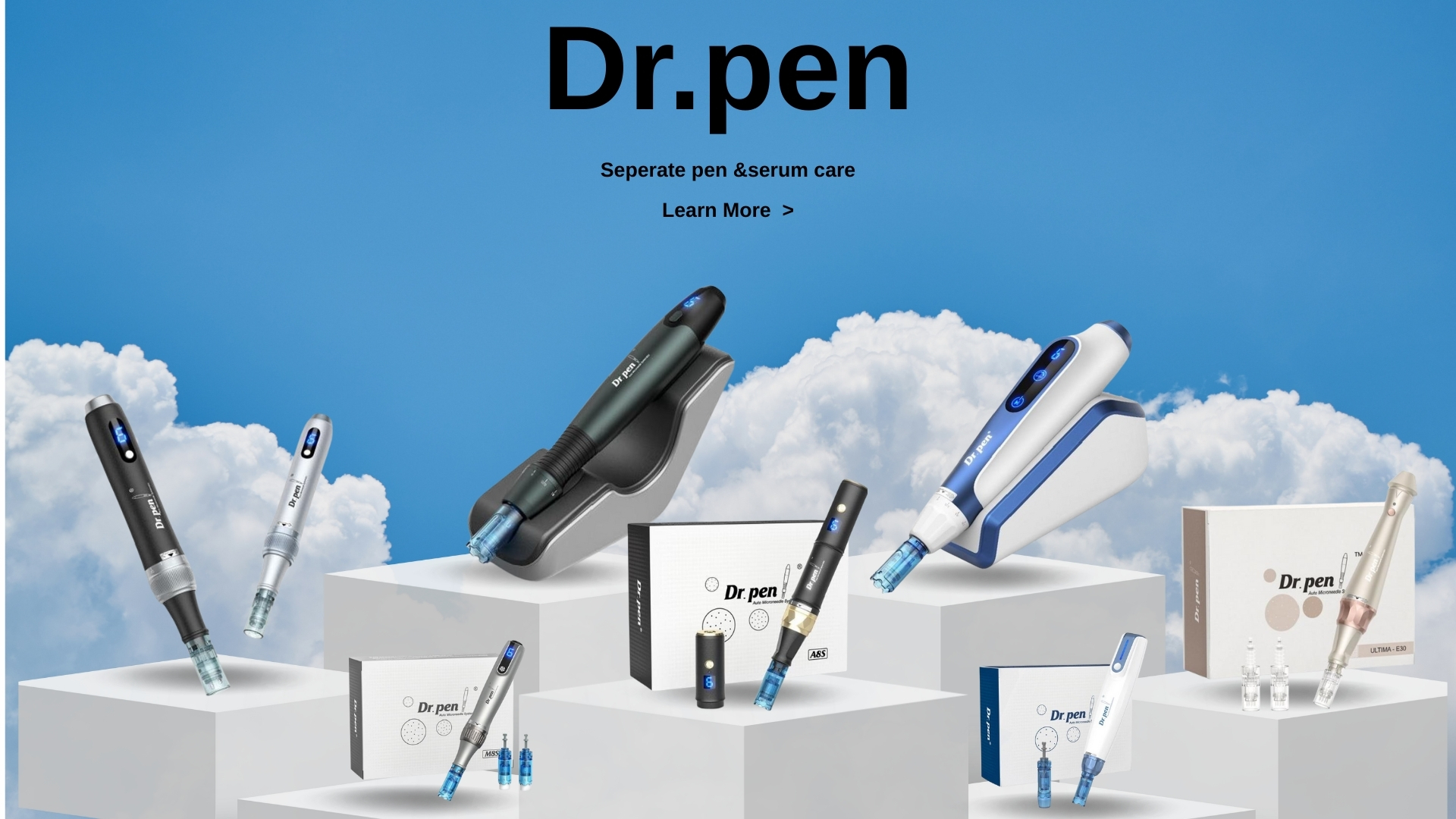
The complete collection features 15 Dr. Pen models, starting with the original N2 and culminating in the newest release — the advanced Dr. Pen A11 — representing the brand’s continuous innovation in microneedling technology.
This lineup includes standout models like the X5, M7, M5, A1, A7, E30, M8, A6, A6S, A8S, A9, A10, and M8S, each offering unique features tailored to various treatment needs.

All Dr. Pen Models: The Complete Guide

If you’re torn between a derma roller and an electric microneedle system, let us make it simple — the electric option is safer, more effective, and far more comfortable to use.

Derma rollers move manually across the skin, and their angled entry creates larger wounds, slowing healing. The rolling motion may even tear the skin, making treatment painful and less precise.

Unlike rollers, electric microneedles work vertically, minimizing skin trauma. They deliver faster, smoother treatments while reducing pain and improving healing outcomes.

Needle depth and speed are chip-controlled in electric systems, allowing precise adjustment. They work especially well on delicate or hard-to-reach areas like around the nose, eyes, and nasolabial folds.

When choosing a skin treatment tool, Dr.The Pen series electric microneedle system provides superior results and comfort.Each Dr.Pen equipment, such as Dr. Pen A11, M8S, A10, A9 and A8S all have adjustable needle depth and speed to ensure precise treatment for different skin needs.Compared with the traditional manual skin roller, Dr.The Pen system significantly reduces skin trauma and promotes the healing process with its vertical acupuncture method.Choose Dr.Pen, you will experience a safer and more efficient skin care effect.

All Dr. Pen Models


Over the past decade, Dr. Pen launched 15 microneedling models — from the original N2 to the latest A11 — each representing a milestone in professional skincare technology

Models like the X5, M7, and M5 may share features, but each has distinct functions. Identifying their differences takes time and careful comparison.

We thoroughly compare Dr. Pen models by reviewing price, default needle types and quantity, storage box, max RPM, speed levels, digital screen, needle length adjustment, and included accessories like pads.

We also assess battery type, capacity, usage time, charging methods, body material, weight, and dimensions. This full-spectrum analysis helps you choose the right model based on your specific skincare goals.

Dr. Pen A11

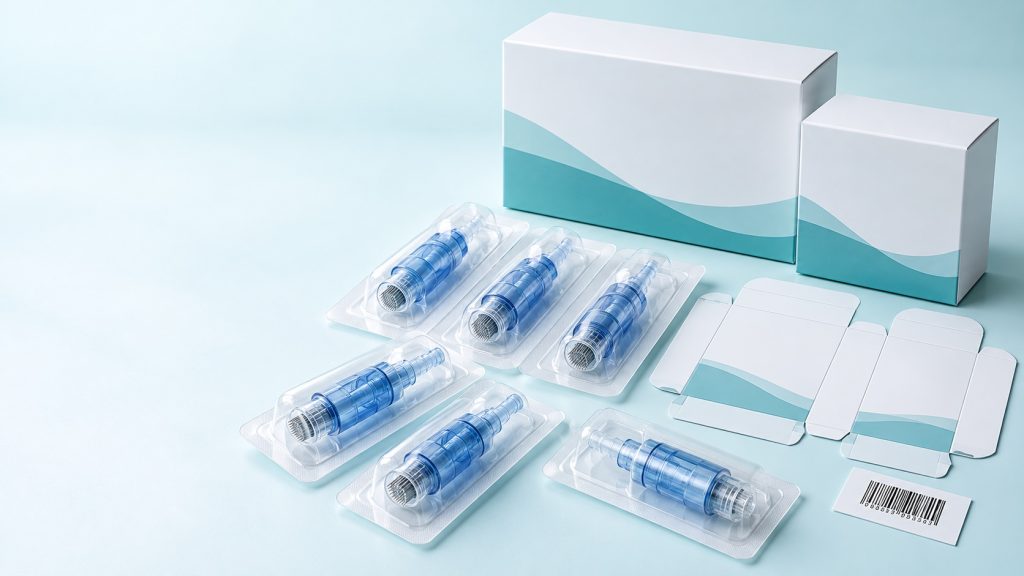
  •  Disposable cartridges: 2PCS 18-pin needles
  •  Treatment: Only MTS
  •  Design with travel size: Yes
  •  RPM max: 18000
  •  Speed: 6 levels
  •  with Holder: Yes
  •  Adjustable needle length: 0 – 2.5mm
  •  Chargeable built-in battery: Yes
  •  with extra battery: No
  •  Battery capacity: 800mAh
  •  Wireless & Wired: Only wireless
  •  Speed display screen: with large display screen
  •  Finer gauge pin cartridge option: Yes
  •  Cartridges connector type: Upgraded 3 slots
  •  Pen material: ABS
  •  Upgrade storage box: Yes

Dr. Pen M8S

  •  Disposable cartridges: 2PCS 18-pin needles
  •  Treatment: Only MTS
  •  Design with travel size: Yes
  •  RPM max: 16000
  •  Speed: 6 levels
  •  with Holder: No
  •  Adjustable needle length: 0 – 2.5mm
  •  Chargeable built-in battery: Yes
  •  with extra battery: No
  •  Battery capacity: 380mAh
  •  Wireless & Wired: Only wireless
  •  Speed display screen: with small display screen
  •  Finer gauge pin cartridge option: Yes
  •  Cartridges connector type: Upgraded 3 slots
  •  Pen material: Aluminium alloy
  •  Upgrade storage box: Yes

Dr. Pen A10

  •  Disposable cartridges: 2PCS 12-pin needles
  •  Treatment: Only MTS
  •  Design with travel size: Yes
  •  RPM max: 15000
  •  Speed: 5 levels
  •  with Holder: No
  •  Adjustable needle length: 0 – 2.5mm
  •  Chargeable built-in battery: Yes
  •  with extra battery: No
  •  Battery capacity: 380mAh
  •  Wireless & Wired: Only wireless
  •  Speed display screen: with small display screen
  •  Finer gauge pin cartridge option: Yes
  •  Cartridges connector type: Location point (2-slot)
  •  Pen material: Aluminium alloy
  •  Upgrade storage box: No

Dr. Pen A9

  •  Disposable cartridges: 2PCS 12-pin needles
  •  Treatment: Only MTS
  •  Design with travel size: Yes
  •  RPM max: 15000
  •  Speed: 6 levels
  •  with Holder: No
  •  Adjustable needle length: 0.2 – 2.5mm
  •  Chargeable built-in battery: Yes
  •  with extra battery: No
  •  Battery capacity: 700mAh
  •  Wireless & Wired: Both
  •  Speed display screen: cell indicate
  •  Finer gauge pin cartridge option: Yes
  •  Cartridges connector type: Upgraded 3 slots
  •  Pen material: ABS
  •  Upgrade storage box: Yes

Dr. Pen A8S

  •  Disposable cartridges: 2PCS 18-pin needles
  •  Treatment: Only MTS
  •  Design with travel size: Yes
  •  RPM max: 15500
  •  Speed: 6 levels
  •  with Holder: No
  •  Adjustable needle length: 0.2 – 2.5mm
  •  Chargeable built-in battery: Yes
  •  with extra battery: One rechargeable battery
  •  Battery capacity: 380mAh
  •  Wireless & Wired: Both
  •  Speed display screen: LED screen visible digital display
  •  Finer gauge pin cartridge option: Yes
  •  Cartridges connector type: Upgraded 3 slots
  •  Pen material: Whole metal
  •  Upgrade storage box: Yes

Dr. Pen A6S

  •  Upgrade storage box: No
    Disposable cartridges: 2PCS 16-pin needles
  •  Treatment: Only MTS
  •  Design with travel size: No
  •  RPM max: 18000
  •  Speed: 6 levels
  •  with Holder: No
  •  Adjustable needle length: 0 – 2.5mm
  •  Chargeable built-in battery: Yes
  •  with extra battery: Two rechargeable batteries
  •  Battery capacity: 600mAh
  •  Wireless & Wired: Both
  •  Speed display screen: LED screen visible digital display
  •  Finer gauge pin cartridge option: Yes
  •  Cartridges connector type: Upgraded 3 slots
  •  Pen material: Aluminium alloy

Dr. Pen A6

  •  Disposable cartridges: 2PCS 12-pin needles
  •  Treatment: Both MTS and PMU
  •  Design with travel size: Yes
  •  RPM max: 15000
  •  Speed: 5 levels
  •  with Holder: No
  •  Adjustable needle length: 0 – 2.5mm
  •  Chargeable built-in battery: Yes
  •  with extra battery: Two rechargeable batteries
  •  Battery capacity: 500mAh
  •  Wireless & Wired: Both
  •  Speed display screen: No but with indicator light
  •  Finer gauge pin cartridge option: No
  •  Cartridges connector type: Location point (2-slot)
  •  Pen material: Aluminium alloy
  •  Upgrade storage box: No

Powerful

Dr. Pen M8

  •  Disposable cartridges: 2PCS 16-pin needles
  •  Treatment: Only MTS
  •  Design with travel size: Yes
  •  RPM max: 15000
  •  Speed: 6 levels
  •  with Holder: No
  •  Adjustable needle length: 0 – 2.5mm
  •  Chargeable built-in battery: Yes
  •  with extra battery: No
  •  Battery capacity: 400mAh
  •  Wireless & Wired: Both
  •  Speed display screen: LED screen visible digital display
  •  Finer gauge pin cartridge option: Yes
  •  Cartridges connector type: Upgraded 3 slots
  •  Pen material: Aluminium alloy
  •  Upgrade storage box: No

Most Popular

Dr. Pen E30

  •  Disposable cartridges: 2PCS 12-pin needles
  •  Treatment: Both MTS and PMU
  •  Design with travel size: Yes
  •  RPM max: 14000
  •  Speed: 5 levels
  •  with Holder: No
  •  Adjustable needle length: 0 – 2.5mm
  •  Chargeable built-in battery: Yes
  •  with extra battery: No
  •  Battery capacity: 400mAh
  •  Wireless & Wired: Both
  •  Speed display screen: No (but with indicator light)
  •  Finer gauge pin cartridge option: No
  •  Cartridges connector type: Location point (2-slot)
  •  Pen material: Aluminium alloy
  •  Upgrade storage box: No

Dr. Pen A7

  •  Disposable cartridges: 2pcs 12pin needles
  •  Treatment: Only MTS
  •  Design with travel size: Yes
  •  RPM max: 15000
  •  Speed: Infinitely variable speed
  •  with Holder: No
  •  Adjustable needle length: 0 – 2.5mm
  •  Chargeable built-in battery: No
  •  with extra battery: No
  •  Battery capacity: 0mAh (no battery inside)
  •  Wireless & Wired: Only for wired
  •  Speed display screen: No
  •  Finer gauge pin cartridge option: No
  •  Cartridges connector type: Build-in bayonet
  •  Pen material: Aluminium alloy & plastic
  •  Upgrade storage box: No

Only Wired

Dr. Pen A1

  •  Disposable cartridges: 2pcs 12pin needles
  •  Treatment: Both MTS and PMU
  •  Design with travel size: Yes
  •  RPM max: 15000
  •  Speed: 5 levels / 6 levels
  •  with Holder: No
  •  Adjustable needle length: 0 – 3.0mm
  •  Chargeable built-in battery: Yes
  •  with extra battery: No
  •  Battery capacity: 500mAh
  •  Wireless & Wired: Both
  •  Speed display screen: No (but with indicator light)
  •  Finer gauge pin cartridge option: No
  •  Cartridges connector type: Location point (2-slot)
  •  Pen material: Aluminium alloy & silicone
  •  Upgrade storage box: No

Dr. Pen M5

  •  Disposable cartridges: 2pcs 12pin needles
  •  Treatment: Both MTS and PMU
  •  Design with travel size: Yes
  •  RPM max: 12000
  •  Speed: 5 levels
  •  with Holder: No
  •  Adjustable needle length: 0 – 2.5mm
  •  Chargeable built-in battery: Yes
  •  with extra battery: No
  •  Battery capacity: 400mAh
  •  Wireless & Wired: Both
  •  Speed display screen: No (but with indicator light)
  •  Finer gauge pin cartridge option: No
  •  Cartridges connector type: Location point (2-slot)
  •  Pen material: Aluminium alloy
  •  Upgrade storage box: No

Dr. Pen M7

  •  Disposable cartridges: 2pcs 12pin needles
  •  Treatment: Both MTS and PMU
  •  Design with travel size: Yes
  •  RPM max: 14000
  •  Speed: 5 levels
  •  with Holder: No
  •  Adjustable needle length: 0 – 2.5mm
  •  Chargeable built-in battery: Yes
  •  with extra battery: No
  •  Battery capacity: 400mAh
  •  Wireless & Wired: Both
  •  Speed display screen: No (but with indicator light)
  •  Finer gauge pin cartridge option: Yes
  •  Cartridges connector type: Location point (2-slot)
  •  Pen material: Aluminium alloy
  •  Upgrade storage box: No

Dr. Pen X5

  •  Disposable cartridges: 2pcs 12pin needles
  •  Treatment: Only MTS
  •  Treatment: Only for MTS
  •  Design with travel size: Yes
  •  RPM max: 16000
  •  Speed: 5 levels
  •  with Holder: No
  •  Adjustable needle length: 0 – 2.5mm
  •  Chargeable built-in battery: Yes
  •  with extra battery: No
  •  Battery capacity: 400mAh
  •  Wireless & Wired: Both
  •  Speed display screen: LED screen visible digital speeds
  •  Finer gauge pin cartridge option: No
  •  Cartridges connector type: Screw type
  •  Pen material: Aluminium alloy
  •  Upgrade storage box: No

Dr. Pen N2

  •  Disposable cartridges: 2pcs 12pin needles
  •  Treatment: Both MTS and PMU
  •  Treatment: Both MTS and PMU
  •  Design with travel size: Yes
  •  RPM max: 15000
  •  Speed: 5 levels
  •  with Holder: No
  •  Adjustable needle length: 0 – 2.5mm
  •  Chargeable built-in battery: Yes
  •  with extra battery: No
  •  Battery capacity: 500mAh
  •  Wireless & Wired: Both
  •  Speed display screen: No (but with light indicator 5 colors)
  •  Finer gauge pin cartridge option: No
  •  Cartridges connector type: Scale anchor point
  •  Pen material: ABS and plastic
  •  Upgrade storage box: No

Dr pen Microneedling pen – WooCommerce

*PMU: Permanent Makeup
*MTS: Micro-needling Therapy System

How to Choose the Right One?

How to choose the right one? We understand the specs can be overwhelming. That’s why we’re breaking down the key differences to help you find the Dr. Pen model that truly fits your needs.

We’ll start by comparing needle types, treatment options, packaging size, motor speed, speed settings, and pen base design. You’ll also learn about needle length adjustment, battery capacity, and included accessories.

Finally, we’ll cover power supply methods, display screen types, syringe tail structure, ergonomic body design, and build materials — so you can confidently identify the best model for your skincare goals.

Choose The Default Disposable Cartridges

Each Dr. Pen device supports multiple needle types, giving users treatment flexibility. However, it’s impractical to include every needle type, so each model comes with two identical cartridges by default.

Default needle types vary — some models include 12-pin cartridges, others come with 16 or 18 pins. This lets first-time users try the pen and later choose the needle that fits their skin goals best.

Default Cartridges for Each Model

Each Dr. Pen model comes with two default cartridges. While multiple needle types are supported, only one type is included in the box—usually two identical cartridges for immediate use.

A11 and M8S come with 18-pin needles. A6S and M8 use 16-pin. Most others—including A10, A9, A6, A7, A1, M5, M7, X5, E30, and N2—include 12-pin cartridges by default.

Needle count affects the sensation and effectiveness. More needles spread the pressure, making treatment gentler. Fewer needles penetrate deeper, offering stronger results for targeted skincare.

If you prefer 12-pin needles, choose models like A10, M7, or N2. For 16-pin options, go with A6S or M8. If 18-pin suits you better, A11 and M8S are ideal.

Has it Upgrade the Cartridges?

Yes — Dr. Pen cartridges have been upgraded. Older models used 0.25mm needles, but newer ones feature finer 0.18mm tips for improved comfort, accuracy, and treatment results.

New models also introduce enhanced syringe structures, such as countercurrent flow designs. These upgrades improve needle movement efficiency, helping deliver more consistent and effective microneedling outcomes.

Tail-end syringe designs now vary: flat, curved, or wavy arc. The wavy arc helps evenly distribute serums while preventing product loss, boosting absorption during back-and-forth pen movement.

These improvements in needle size, internal mechanics, and syringe structure significantly enhance Dr. Pen’s efficiency and precision, offering a smoother, more effective microneedling experience across different treatment types.

What is reverse flow? If serum is on the needle and the pen touches the skin at an angle, liquid may seep backward into the device, especially when the tip is tilted above the pen body.

Anti-backflow syringe designs help prevent internal damage. Models equipped with this feature include Dr. Pen A11, A8S, A9, and M8S — ideal for users applying serum directly onto the needle.

The syringe tail end refers to the shape of the cartridge base that touches the skin. It affects how the pen delivers serum and how smoothly the treatment feels.

There are three designs:
• Flat – Entirely flat edge
• Curved edge – Flat center with slightly convex edges
• Wavy arc – Fully contoured with raised wave-like edges for better serum spread

Wave arc design: A11, M8S, A9, A10, A8S
Curved edge: M8
Flat design: A6, A6S, M5, M7, X5, E30, N2, A1, A7

Does it Have MTS & PMU Therapy?

Some Dr. Pen models support both MTS (microneedling) and PMU (permanent makeup) therapies. Others are designed for MTS-only use, focusing on skin rejuvenation and treatment precision.

For skincare treatments, choose MTS-only models like A11, M8S, A10, A9, A6S, M8, A7, or X5. For PMU needs like eyebrow tattooing, use models like M5, M7, E30, A6, A1, or N2.

L1
one dot, stainless steel
Fine hair strokes, lipliner, eyeliner

R3

3 dots, arranged in triangle, stainless steel

Eyebrow shading, body tattoo

F3

3 dots, arranged in a straight line

Wide lipliner, eyeliner

R5

5 dots, One point in the middle, 4 points equally spaced around it

Soft eyebrows, lip contour, stem cell pigmentation, pigment removal

R5

5 dots, One point in the middle, 4 points equally spaced around it

Soft eyebrows, lip contour, stem cell pigmentation, pigment removal

F7

7 dots, arranged in a straight line

Full lips, eyebrows, wide eyeliners

F9

9 dots, divided into two rows, 4 on the top and 5 on the bottom

Full lips, eyebrows, wide eyeliners

What Are Microneedling Cartridges?

Microneedling cartridges are essential tools that hold needles used in skin treatments. They significantly impact the success of procedures like skin rejuvenation and scar reduction.

Microneedling cartridges are vital for effective skincare treatments, playing a crucial role in delivering precise results and enhancing skin texture.

Article content

Understanding these cartridges is the first step to optimizing their use in treatments. Let’s explore the different types and their specific uses.

Understanding Microneedling Cartridges?

Microneedling enhances collagen production through controlled skin injury. Cartridges determine treatment precision.

They are instrumental in creating micro-injuries, stimulating the skin’s natural healing process and promoting youthful looks.

Microneedling cartridges house the needles that pierce the skin. They come in various sizes, each designed for specific skin issues. A cartridge’s quality affects both efficacy and safety during treatment.

Article content

Types of Microneedling Cartridges?

Different skin needs require specific microneedling cartridges, from acne scars to fine lines.

Cartridges come in types like 12-pin, 36-pin, and Nano, each offering unique depth and coverage for tailored skin solutions.

Article content

Each type of cartridge has its own use case. A 12-pin is ideal for targeted areas, providing deep penetration for treating scars. The 36-pin covers more area and suits large sections of skin, enhancing complexion with moderate penetration. Nano cartridges are non-invasive, focusing on surface-level issues like hydration and fine texture improvements. Their differences are vital when choosing the right cartridge for a client’s specific skin concerns.

How to Choose the Right Cartridge?

Choosing the right microneedling cartridge involves understanding skin types and desired outcomes.

Consider factors such as skin sensitivity, treatment goals, and whether the equipment is for professional or home use to make an informed choice.

Article content

When selecting a microneedling cartridge, the depth of needle penetration is key. A dermatologist might choose a 12-pin cartridge for acne scars, offering deeper penetration. For brighter skin and fewer wrinkles, a 36-pin tool optimizes larger area coverage while ensuring safety. Skin sensitivity also dictates cartridge selection—sensitive skin may benefit from Nano cartridges. Differentiating between tools for professional or home use ensures the highest safety and effectiveness, bringing longevity to skincare treatments.

Safety and Best Practices?

Ensuring cartridge safety is crucial for effective and safe treatments.

Sterilization and proper handling are essential to prevent infections and maximize treatment results. Safeguarding procedures is non-negotiable in microneedling practices.

Article content

The integrity of microneedling treatments hinges on safety. Always ensure that cartridges are sterile before use. Single-use cartridges minimize contamination risk, adhering to hygiene standards. Proper handling training reduces mishaps, enhancing client trust in treatment outcomes. Following manufacturers’ guidelines maintains cartridge performance, safeguarding practitioners and clients alike. Sterilization processes also support best practices, offering peace of mind through meticulous care.

Common Questions About Microneedling Cartridges?

Professionals often have questions about optimizing cartridge use.

FAQs cover common concerns like cartridge sizes for specific needs, benefits of different types, and usage guidelines for best results.

Article content

One significant query involves determining the best cartridge for particular skin goals. A frequent choice for fine lines is the Nano cartridge due to its minimal penetration, suitable for surface treatment. Queries also touch on cartridge alignment and proper equipment fit—remaining key for efficient results. Understanding each type’s benefits and correct usage prevents ineffective treatments, maximizing client satisfaction and trust. Regular updates on best practices and product innovations address evolving concerns, maintaining a standard of excellence in skincare.

Where to Buy Microneedling Cartridges?

Finding a trustworthy supplier ensures quality treatments.

Research reputable sources or distributors offering certified cartridges, thus assuring reliability and effective treatments for your clients.

Article content

Choosing a supplier affects business credibility and client results. Direct manufacturers often provide authentic products; look for FDA and CE-certified distributors. Such sources offer a guarantee of reliability, ensuring your investment in trusted products. Justech, known for its consistent quality, stands out as a notable supplier with direct ties to the factory. Understanding market trends can guide finding suppliers who align with quality and ethical standards, creating lasting partnerships in the beauty industry.

Conclusion

Article content

Selecting the right microneedling cartridges is crucial for effective skincare treatments. Prioritize safety, suitability, and supplier reliability to excel in offering trending skincare solutions.

https://www.linkedin.com/pulse/what-microneedling-cartridges-rachel-qiu-l4rac

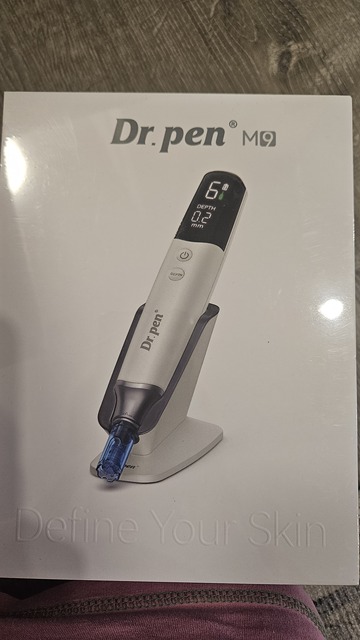
Dr. Pen M8S vs Dr. Pen M9: Which Microneedling Device is Right for You?

If you’re torn between the Dr. Pen M8S and M9 microneedling devices, you’re not alone.

For many, the choice hinges on power, convenience, and specific skincare needs—M8S excels in ease, while M9 offers advanced features.

Quick Comparison Overview

Feeling overwhelmed by specs? Don’t worry!

The Dr. Pen M8S and M9 mainly differ in motor power, battery life, and user focus.

Article content

For those needing a quick glimpse, the M9 boasts superior power with extended battery life compared to the M8S. The M8S, however, offers simplicity that benefits beginners.

Features  Motor Power Needle Depth Battery UsageCompatibility
Dr. Pen M8SModerate RPM0.25mm – 2.5mmUp to 2 hoursStandard Cartridges
Dr. Pen M9    Higher RPM 0.25mm – 3.0mmUp to 3 hoursAdvanced Cartridges

Key Specifications Comparison

Considering microneedling specifics can be confusing.

Key differences between Dr. Pen M8S and M9 include motor power and needle depth compatibility.

Article content

The M8S and M9 differ significantly in motor capabilities. The M9’s higher RPM makes it more effective on tougher skin, like the scalp. The M8S, conversely, suits simpler user operations with moderate rpm making it friendly for novices exploring dermal rejuvenation. While both let users fine-tune depth for various treatments, the M9 offers a wider range catering to deeper treatments. Battery longevity is notably better in the M9, which serves practitioners requiring extended sessions. Choose based on your technical need alongside comfort in handling.

Who Should Choose M8S?

Is the M8S your perfect microneedling match?

M8S suits beginners dealing with fine lines and acne scars due to its user-friendly design.

While experienced users lean towards power and features, newcomers often appreciate simplicity. The M8S, less intimidating with a moderate RPM, supports users new to microneedling to handle it with ease. It effectively tackles fine lines and subtle acne scars without demanding advanced skills, making it accessible for at-home experimentation. Additionally, the device’s battery suffices for typical personal sessions, minimizing interruptions.Who Should Choose M9?

Does the M9 align with your professional needs?

M9 is recommended for professionals targeting deeper wrinkles and scalp treatments with its powerful RPM and extended battery life.

Article content

The M9 is built for environments requiring robust performance. Its high RPM suits deeper wrinkles found in mature skins or where scalp treatments demand vigor. Professionals value its extended battery life ensuring lengthy sessions without power issues. The M9’s compatibility with advanced cartridges helps deliver precision in demanding treatments. This makes it the preferred option among clinic or salon environments needing reliable output.

Safety Features and Usability

How safe is microneedling with these devices?

Both M8S and M9 ensure safety with anti-backflow technology, prioritizing user hygiene and ease of use.

Article content

Safety reigns paramount in skin treatments, with the M8S and M9 equipped with anti-backflow technology that prevents contamination. This feature, complemented by design considerations prioritizing ease for both novices and seasoned experts, allows users to decide based on their handling comfort. The M8S is less complex, suiting personal use. Meanwhile, the M9, while slightly demanding, delivers a higher precision level. Choose considering your proficiency and need for seamless, safe operation.

Value for Money: Is the Upgrade Worth It?

Contemplating the cost-benefit of upgrading?

The M9 offers more features but at a higher price, whereas M8S provides budget-friendly yet competent performance.

Choosing between these two involves evaluating long-term prospects alongside upfront costs. The M9, packed with features aiding professional-grade use, naturally holds a steeper price but promises advanced outputs. Conversely, the M8S, economical and adept for basic needs, presents savings uptight initial costs allow users better financial balance. With both devices having accessible cartridge options, consider how much more you’re paying for those incremental enhancements.

User Reviews and Experiences

Curious about real-world device performance?

Feedback is generally favorable, with the M9 praised for features and M8S for comfort and ease of use.

Article content

Customer feedback plays a pivotal role in shaping buying choices. Reviews rely heavily on product experience, indicating the M9’s advanced capabilities shine in professional settings, highlighted in reviews lauding its robustness. On the simpler end, M8S gains favor from individual users who prioritize accessibility and easy learning without sacrificing treatment results. Both prove effective, but aligning reviews to your needs clarifies if technical prowess or comfort should guide your choice.

FAQ

Need quick answers to lingering questions?

M8S is beginner-friendly, while M9 is suited for professionals. Choose based on skill level and treatment needs.

Navigating the selection starts with understanding self-expectations and treatment limits. M8S is tailored for simpler handling, more welcoming to newcomers seeking convenience. Meanwhile, the M9’s full spectrum of features and adjustments point toward proficient users. Each device holds treatment parameters, ensuring user safety within operational ranges, guaranteeing reliability. Consider what’s optimal—is simplification or advancement more pressing?

Conclusion

Whether you prioritize features or simplicity, choose based on your expertise and skincare goals.

Article content
Choosing between two advanced microneedling devices can be daunting. Let’s break down their distinct features to help you decide.

Microneedling Cartridges: Your Ultimate Guide to Choosing the Right One?

The beauty industry is constantly evolving, bringing new challenges and opportunities for skincare professionals. Choosing the right microneedling cartridge is crucial for effective treatment outcomes.

Microneedling cartridges play a vital role in skin rejuvenation by enabling precise collagen induction, crucial for treating various skin concerns effectively.

Understanding microneedling technology and cartridge roles helps optimize treatment efficacy, promising youthful and smoother skin results.

What Are Microneedling Cartridges and How Do They Work?

Microneedling is a powerful technique that enhances skin texture. The specific cartridge used can dramatically affect treatment outcomes, making selection critical.

Microneedling cartridges contain needles that puncture the skin to stimulate collagen production, improving skin’s appearance by repairing damage.

Microneedling involves using a pen-like device equipped with cartridges containing fine needles. These needles create controlled micro-injuries in the skin, prompting it to heal and stimulating collagen production. Collagen induction is key in reducing signs of aging, scarring, and improving overall skin tone.

Types of Microneedling Cartridges Available?

Choosing between nanoneedling, 9-12 pin, and 24-42 pin cartridges can directly influence treatment effectiveness. Each type serves distinct purposes and is suitable for varied skin concerns.

Nanoneedling cartridges are ideal for sensitive skin areas, offering gentle rejuvenation without triggering inflammation.

Nanoneedling Cartridges

Nanoneedling cartridges feature ultra-fine needles that provide superficial stimulation suitable for sensitive skin and facial areas. They are best for thin skin, allowing enhanced product absorption and subtle texture improvements without deep penetration.

9-12 Pin Cartridges

Designed for moderate skin concerns, these cartridges target issues like acne scars and fine lines effectively. They penetrate deeper than nanoneedling cartridges, inducing noticeable collagen transformation. Professionals seeking improved skin radiance will find these cartridges offer a significant advantage.

24-42 Pin Cartridges

These are perfect for treating larger skin areas like the stomach or back. Their larger number of needles allows quicker procedures and improved efficiency for expansive skin concerns.

How to Choose the Right Cartridge for Your Client’s Needs?

With varied skin types and conditions, matching cartridges precisely ensures safe and efficacious treatments for clients.

Select cartridges compatible with individual skin issues, maintaining optimal efficacy and safety standards.

Understanding each client’s skin type is imperative. Matching the right cartridge ensures treatment safety and effectiveness. Considerations include skin sensitivity and specific concerns such as scars or discoloration. Professional evaluation aids in balancing treatment intensity with safety.

Safety and Maintenance of Microneedling Cartridges?

Ensuring cartridge safety is paramount in protecting client welfare and achieving desired treatment results.

Single-use cartridges reduce contamination risks, ensuring safer and more effective treatments.

Single-use cartridges prevent cross-contamination between clients. Proper sterilization practices enhance treatment safety. Regular equipment maintenance and adherence to hygienic standards avert complications, ensuring cartridges function optimally.

Common Mistakes to Avoid When Using Microneedling Cartridges?

Avoiding common mishaps in cartridge handling ensures safe, effective skin rejuvenation treatments.

Mismatching cartridges to devices and reusing cartridges could lead to ineffective treatments and heightened infection risks.

Reusing cartridges is unsafe. It potentially spreads infections and reduces treatment effectiveness. Ensuring cartridges are matched appropriately to the devices is crucial—mismatches can hinder treatment outcomes or damage the device. Following manufacturer instructions mitigates risks and optimizes client results.

Conclusion

Choosing the correct microneedling cartridge ensures safe, effective skin treatments, vital for achieving desired client outcomes.The beauty industry is constantly evolving, bringing new challenges and opportunities for skincare professionals. Choosing the right microneedling cartridge is crucial for effective treatment outcomes.

Microneedling cartridges play a vital role in skin rejuvenation by enabling precise collagen induction, crucial for treating various skin concerns effectively.

Understanding microneedling technology and cartridge roles helps optimize treatment efficacy, promising youthful and smoother skin results.

How to Use a Derma Roller for Optimal Skin Results?

Derma rolling is a trending skincare hack promising smoother skin. But how can you achieve results without damaging your skin?

With structured guidance, using a derma roller can boost skin health by promoting collagen and enhancing product absorption.

Using a derma roller can seem intimidating, especially if you’re new to it. Here’s how it works and why it’s effective.

What is a Derma Roller and How Does It Work?

Curious about derma rollers? They promise to rejuvenate your skin. So how do they function?

A derma roller uses tiny needles to create micro-injuries, stimulating collagen production and improving skin health. First developed in the 1990s, it’s now a staple for at-home skincare.

Diving Deeper: Understanding Microneedling

Microneedling, facilitated by the derma roller, involves rolling hundreds of tiny needles over the skin’s surface. These needles penetrate the top layer of the skin, creating controlled micro-injuries. Your body’s natural healing process responds by producing collagen and elastin. This enhances skin texture and firmness, reducing signs of aging. Scientific studies back the effectiveness of microneedling. For example, clinical trials have shown significant improvement in skin texture and reduction of scars, proving its claim to rejuvenate and restore the skin.

Benefits of Using a Derma Roller?

Is derma rolling worth the hype for your beauty routine?

Derma rolling can refine skin texture, diminish acne scars, and boost absorption of beauty products for a more radiant look.

Dive Deeper: Multifaceted Advantages

The benefits of using a derma roller extend beyond basic skin improvement. It can remarkably increase absorption of active ingredients in your skincare products by up to 90%. This makes your existing creams and serums far more effective. Due to its collagen-boosting effects, wrinkles and fine lines soften and skin elasticity improves. In a specific study with acne scar patients, a noticeable reduction in scar depth was reported over a few months of consistent use. Patient testimonials also frequently mention the pleasurable surprise of smoother, firmer skin—highlighting derma rollers as a key tool in skincare regimens.

Choosing the Right Derma Roller?

Every skin type is unique. How do you pick the perfect derma roller?

Selecting a derma roller involves considering needle length related to skin goals, with expert suggestions for different experience levels.

Dive Deeper: Tailoring Your Tool

Choosing the right derma roller requires understanding different needle sizes and their corresponding uses. For beginners, a needle length of 0.25mm to 0.5mm is generally safest and sufficient for enhancing product absorption. More experienced users might opt for needles up to 1.0mm, which are better for deeper concerns like acne scars. However, needles longer than 1.5mm are typically reserved for professional medical use due to potential risks. It’s critical to match needle size to your skin’s feedback and conditions to navigate this effectively. Experimenting initially at lower intensities can ease you into the process safely.

Step-by-Step Guide to Using a Derma Roller?

Ready to start derma rolling safely at home? Here’s your comprehensive guide.

Properly preparing and using a derma roller involves specific pre-treatment, rolling techniques, and post-treatment care for effective results.

Dive Deeper: Mastering the Derma Roller Technique

Before rolling, cleanse your skin thoroughly. Disinfect your derma roller using isopropyl alcohol to maintain hygiene. Start by rolling gently over your skin, ensuring even coverage in all directions (vertical, horizontal, and diagonal). Pressure remains light and consistent throughout to avoid injury. A common guideline is to roll each area of your face 4-5 times. After rolling, your skin is highly receptive to skincare products, so apply nourishing serums rich in hyaluronic acid or peptides. Post-treatment care includes avoiding sun exposure and applying sunscreen vigilantly.

Safety Considerations When Using a Derma Roller?

Safety can’t be overlooked; what precautions ensure a problem-free rolling experience?

Avoiding mistakes and recognizing irritation signs are crucial for maintaining skin safety and ensuring positive rolling outcomes.

Dive Deeper: Safe Rolling Practices

Understanding safety while derma rolling is essential to avoid adverse effects. Common mistakes include applying excessive pressure or using dirty equipment. Both can irritate the skin and lead to breakouts or infections. Use the roller as gently as possible and regularly sterilize it. If your skin reacts with prolonged redness, discomfort, or signs of infection like pus, stop use immediately. Consulting a dermatologist can help guide the next steps. Always listen to your skin’s feedback, and never force the process if it feels wrong.

FAQs about Derma Rolling?

What common questions arise about derma rolling for first-timers?

Frequently Asked Questions help clarify common concerns such as expected results, skin types compatibility, and misconceptions about derma rolling.

Dive Deeper: Clarifying Misconceptions

As derma rolling grows in popularity, so do the myths surrounding it. A frequent question is about pain—most users find the sensation tolerable, likening it to a mild prickling. Concerns regarding skin types are common; derma rolling is generally suitable for all skin types, though those with active acne should approach with caution to avoid spreading bacteria. Misinformation about instant results also circulates; in reality, consistency and patience are key, as visible changes typically occur over weeks. Distilling these insights helps new users feel confident in embarking on their derma roller journey.

Conclusion

Proper use and care are crucial for effective derma rolling, providing significant aesthetic benefits when applied correctly.

Ultimate Guide to Replacement Tips for Everyday Items

When was the last time you replaced a vital part in your home? Neglecting replacements can lead to costly repairs and breakdowns.

Replacement tips are crucial for maintaining efficiency and prolonging the lifespan of everyday items. They ensure your household runs smoothly and safely.

Replacing items is not just about maintenance; it’s an investment in safety and longevity.

Introduction to Replacement Tips?

Feeling overwhelmed by the constant need for replacements? You’re not alone.

Replacement tips involve guidelines and products to swap out old or broken items, maintaining optimal performance and safety at home.

Understanding the basics of replacements helps in preventing unexpected failures. This knowledge empowers homeowners to proactively address wear and tear.

One of the primary purposes of replacement tips is to enhance operational efficiency in a household. Items such as HVAC filters, appliance parts, and batteries often require periodic replacement to function correctly. Regular updates and replacements ensure devices don’t overwork or pose safety risks. This practice not only extends the life of various appliances but can also lead to significant energy savings over time.

Why You Should Replace Items Regularly?

Worried about unnecessary expenses from regular item replacements?

Timely replacements increase efficiency, decrease energy consumption, and prevent safety hazards, offering peace of mind and lower long-term costs.

Considering regular replacements might seem costly at first. However, the long-term benefits far outweigh the initial investment. Regular replacements decrease the likelihood of significant malfunctions that could lead to even higher costs. Updating your household items ensures better performance and longevity of your appliances, which results in noticeable savings on your energy bills. Regular replacements can reduce potential safety issues, minimizing the risk of accidents or fires, and ensuring a safe environment for your family.

Common Household Items Requiring Replacement?

Worried about missing essential replacements around your home?

Common replacements include HVAC filters, worn appliance parts, and old batteries, crucial for maintaining home efficiency and safety.

A well-maintained home involves recognizing the everyday items that need frequent updating. For example, HVAC filters in your air conditioning system should be replaced every 1-3 months for optimal air quality and system efficiency. Appliance parts in devices like dishwashers or washing machines occasionally require part swap-outs; otherwise, they risk consuming more energy, or worse, breaking down when you need them most. Another example is batteries – regularly checking and replacing them in smoke detectors is a simple act that can save lives. Keeping up with these replacements ensures that systems continue to work effectively, providing comfort and security to your household.

Step-by-Step Replacement Guides?

Finding the right guidance for replacements feels like a daunting task?

DIY guides provide easy steps to replace household items, from identifying needs to choosing tools and executing replacements safely.

Embarking on your DIY replacement journey begins with understanding each item’s specific needs and how to execute the swap accurately. For many common household tasks, simple checklists can significantly smooth the DIY process. Start by identifying the need—the item’s age, appearance, and function might signal it’s time for a change. Next, ensure you have the correct tools and any necessary safety equipment; this minimizes potential mishaps during the replacement. When executing DIY replacements, the instructions and safety measures you follow ensure not only your safety but also the longevity and correct function of the item. Each project, whether it be a lightbulb or a battery swap, can be achieved with a clear understanding and careful planning.

Best Practices for Choosing Replacement Products?

Unsure about choosing the right products for replacements?

Choosing replacement products involves considering brand reliability, materials, and alignment with the original specifications for best results.

The selection process for replacement products can significantly impact the outcome of your DIY projects. First, prioritize items from reputable brands known for reliability and quality. Such identification usually guarantees longevity and compatibility, ensuring efficient performance. Moreover, evaluate the quality of materials—durable and safe options might cost more upfront, yet provide long-term satisfaction. Lastly, ensuring compatibility with your original item specifications avoids potential disappointments. Understanding these aspects forms a critical part of achieving effective replacements, aligning with your expectations.

Cost-Effective Solutions and Alternatives?

Feel like replacements cost too much?

There are budget-friendly options like aftermarket parts that mimic original replacements, reducing costs without compromising function.

As consumers seek more cost-effective solutions without sacrificing quality, alternatives such as aftermarket parts become attractive. These options are typically less expensive than OEM (Original Equipment Manufacturer) parts, yet they perform well. To be prudent, one must balance cost with quality assurance. Using a blend of originals where critical safety or function depends, and alternatives where possible, is often an efficient strategy. Moreover, adopting eco-friendly options demonstrates a commitment to sustainability, reducing both costs and environmental footprint.

When to Seek Professional Help?

Wondering when DIY might not suffice?

Opt for professional help when tasks exceed your skill level, ensuring safety and effective replacements without the hassle of potential faults.

Navigating through the realm of replacements isn’t always straightforward. Sometimes the best choice involves seeking professional help. This decision should depend on two major aspects: complexity and safety. If a task appears complex and beyond your technical confidence, or involves potential safety hazards (like electrical or structural projects), consulting professionals can prevent dangerous mistakes. While DIY saves costs, specialist intervention assures correct installation and operational safety, and might save more than it costs by avoiding errors.

Conclusion

Choosing to embrace DIY replacements empowers you to maintain home efficiency cost-effectively.

FAQs on Replacement Tips?

Confused by the dos and don’ts of replacements?

Many wonder about timing, compatibility, and DIY feasibility; understanding these provides clarity to effectively manage replacements.

Many homeowners grapple with questions around replacements. “How often should filters be replaced?” or “Is there a universal fix for faulty components?” Understanding specifics, such as manufacturers’ guidelines and regular inspection schedules, helps demystify replacements. Others query about part compatibility – advice centers around keeping similar specifications to the original parts. Lastly, for those asking about DIY feasibility, it’s essential to assess personal skill levels realistically. These answers not only aid individual understanding but also promote successful, confident completion of replacement tasks—an integral part of maintaining a cost-efficient, smooth-running home.

Ultimate Guide to At-Home Microneedling Kits

The skincare revolution has spurred interest in at-home microneedling, promising professional results from the comfort of your home.

At-home microneedling kits offer a convenient solution for improving skin health by boosting collagen production and enhancing absorption of skincare products.

Navigating the world of microneedling can be overwhelming with various tools and techniques available. Let’s delve deeper into microneedling, its benefits, and how to choose and use the best kits for your skin.

What is Microneedling and How Does it Work?

Microneedling stimulates your skin to generate more collagen, promising improved texture and appearance.

Microneedling involves using fine needles to create micro-injuries in the skin, stimulating collagen production and improving skin texture. It’s effective for scars, fine lines, and enlarged pores.

Microneedling is a technique that I’ve found fascinating since its inception in the clinical world. It involves the use of a device with tiny needles that puncture the skin gently. This controlled injury triggers the body’s wound healing process, leading to increased collagen and elastin production. For someone worried about acne scars or fine lines, microneedling can be a game-changer. Over time, the consistent healing response refines skin texture and can improve the appearance of pores. Coupled with appropriate serums, this technique can enhance the penetration of beneficial active ingredients. 

Key Components of a Microneedling Kit

Find the right tools for your microneedling adventure.

An at-home microneedling kit typically includes a dermaroller or electric device, serums, and aftercare products to support skin recovery and enhance treatment efficacy.

When considering a microneedling kit for home use, knowing what each component does can help you maximize the benefits. Most kits come with either a manual dermaroller or an electric microneedling pen. While manual devices are economical and easy to use, electric models afford more precision and higher efficiency. The choice between manual and electric can depend on your skin goals and comfort level. Additionally, effective serums and aftercare solutions are integral parts of any kit, helping soothe the skin post-microneedling and furthering the benefits as active ingredients penetrate deeper. A comprehensive understanding of these items can facilitate an informed purchase decision and align with your specific skincare needs.

How to Choose the Best Microneedling Kit for You

Choosing the right kit involves weighing your unique skincare needs and budget.

Consider your skin type, specific concerns, budget, and device preference when selecting a microneedling kit. Needle length is crucial for targeting particular skin issues effectively.

Choosing the right microneedling kit hinges on understanding your skin’s unique characteristics. For those with fine lines, a needle length between 0.5 and 1mm is often recommended. However, to address deeper acne scars, a length of 1.5mm might be more suitable. Budget considerations are also crucial; while electric devices might cost more upfront, they often provide superior results and a longer life span. Evaluating customer reviews and seeking expert opinions can also be invaluable. Personal experience leads me to suggest always ensuring the kit’s components are compatible with your skin’s sensitivity and specific concerns. Hands-on trials, when possible, can offer a tangible perspective on potential comfort and efficacy.

Best Microneedling Kits Available Today

Explore the top-rated kits that users and experts alike recommend.

Top-rated microneedling kits combine quality, effectiveness, and user satisfaction, exemplified by products like Dr.Pen and Bio Pen, which are praised for their precision and results.

In examining the best microneedling kits available today, several stand out in efficacy and user satisfaction. The Dr.Pen and Bio Pen series are excellent choices due to their precision-engineered needles and comfortable designs. Their electric models offer variable speeds and depths, catering to diverse skin types and concerns. Feedback from users often emphasizes the noticeable improvement in skin texture and reduced appearance of blemishes after a few sessions. Trusted brands continuously improve their design to provide devices that are not only effective but also user-friendly, minimizing the learning curve for those new to microneedling.

Safety Tips and Best Practices for At-Home Microneedling

Mitigate risks and enhance your microneedling experience with informed practices.

Follow a step-by-step guide for safe microneedling, avoid common errors, and consistently use post-treatment skincare to prevent adverse effects.

Safety is paramount when conducting microneedling at home. A structured approach begins with proper sanitation of both your skin and the tools. Before treatment, consider a patch test of the serum intended for use. Common mistakes such as applying excessive pressure or rolling over the same spot multiple times should be avoided. Post-care involves using soothing serums, avoiding direct sunlight, and refraining from makeup for at least 24 hours post-treatment. Hydration is essential. User experiences underscore the importance of following a routine that complements the body’s natural healing process while safeguarding against infection or inflammation.

FAQs About Microneedling Kits

Your main questions answered to ease concerns and enhance understanding.

Common questions include concerns about pain, effectiveness, how frequently to microneedle, and the differences between professional and at-home treatments.

Frequently, questions arise about the sensations during microneedling, with many users describing the feeling as mildly uncomfortable but tolerable. Addressing the frequency, experts often suggest starting with treatments spaced a few weeks apart, gradually increasing as skin tolerance builds. For those considering professional vs. at-home options, the main distinctions lie in the precision of needle length adjustments and the controlled environment. Understanding these factors can guide readers in managing their expectations and ensuring they choose the best method for their skincare goals.

Conclusion

Home microneedling kits provide a pragmatic solution for achieving healthier skin with consistent and informed use.

Dermapen Microneedling Device: The Ultimate Guide for Aesthetic Practitioners

Microneedling transforms skin appearance, but choosing the right device can be overwhelming.

Dermapen offers advanced features making it a top choice for clinics focused on effective treatments and safety.

Navigating microneedling device selection requires understanding technology, results, and cost efficiency.

What is Dermapen and How Does It Work?

Dermapen offers innovative microneedling technology improving skin conditions efficiently.

It uses automated needles for precise punctures, stimulating collagen without extensive downtime.

Dermapen’s automated technology sets it apart. The device uses fine needles moving vertically to create controlled micro-injuries. This encourages the skin to produce more collagen and elastin—essential proteins for smoother, youthful skin. Unlike older models, Dermapen’s automatic system ensures consistent depth and speed, reducing discomfort and recovery time. Users report significant improvement in acne scars, wrinkles, and overall skin texture with minimal redness lasting under three days. The FDA’s authorization highlights its safety in professional settings, confirming its suitability for clinics seeking reliable solutions.

Key Comparisons of Dermapen to Other Microneedling Devices

Choosing the right microneedling device is crucial for effective skin treatments.

Dermapen excels in efficiency compared to SkinPen, Dr. Pen, and MDPen, with fewer side effects.

When comparing Dermapen with SkinPen, Dr. Pen, and MDPen, it is evident that Dermapen has a prominent market share of about 49%, showcasing its efficacy and trusted results. SkinPen, while authorized by the FDA, often requires longer recovery times. Dr. Pen and MDPen present budget-friendly options but occasionally match Dermapen’s precision and consistency. Practitioners seeking devices with high rate of positive patient outcomes often lean toward Dermapen, as it offers advanced features designed for optimized results. Below is a comparative table: 

DeviceFDA ApprovedRecovery TimeMarket Share
DermapenYes 2-3 Days 49% 
SkinPen       Yes 3-5 DaysN/A 
Dr. PenNo3+ Days N/A 
MDPen No3+ Days N/A 

Safety Considerations for Dermapen Treatments

Ensuring patient safety tops priorities among aesthetic practitioners.

Dermapen’s FDA approval underscores its safety when guidelines are adhered to.

Dermapen treatments are generally safe, but practitioners must note contraindications. Avoid using Dermapen on patients with active skin infections or sensitive conditions like eczema. Individuals on blood thinners or pregnant women should also reconsider treatment. Prevention of complications involves proper sterilization and following infection control protocols. Redness, slight swelling, or tenderness can range from mild to moderate depending on skin type but usually resolve within a couple of days. Precautions ensure treatments are not only effective but safe, building trust with patients.

Expected Treatment Outcomes and Results Timeline

Patients anticipate clearer skin quickly after Dermapen sessions.

Results are notable after one session, with optimal outcomes post multiple treatments.

After undergoing Dermapen microneedling treatment, patients typically notice improved skin texture and reduced imperfections. However, patience is key as maximum benefits are typically visible after several sessions. Initial sessions might reveal visible enhancement, yet individuals should expect substantial improvements across subsequent treatments ranging from four to six sessions for hurtful conditions like acne scars or deep wrinkles. Regular sessions, spaced 4-6 weeks apart, lead to cumulative benefits, reinforcing the device’s promise for transformative results. Keep patients informed—it takes dedication but pays off with rejuvenated skin.

Cost Analysis and Return on Investment for Clinics

Financial considerations impact decision-making among clinic owners.

Dermapen’s long-term ROI appeals through lasting efficacy versus initial investment.

Investing in a Dermapen device can significantly benefit clinics. Upfront costs are higher than alternatives but bear fruit in terms of patient satisfaction. With each treatment priced competitively in dermatological markets, clinics can expect good returns, especially when results lead to repeat sessions. Compared to SkinPen, enduring treatment outcomes contribute to drawing consistent clientele. MDPen and Dr. Pen might appear cheaper, but ongoing maintenance or frequent part replacements may reduce their profitability. Ultimately, Dermapen offers a sound investment for clinics aiming at long-lasting patient relationships and enhanced reputability.

Patient Education: How to Manage Expectations

Clear communication fosters assurance amidst microneedling processes.

Educate patients on realistic timelines and results for informed decision-making.

Setting clear expectations is fundamental for patient satisfaction. Initiate discussions about anticipated timelines—instant outcomes are rare without continuous care and reiterate the improvement can persist over months. Providing educational materials or post-treatment care sheets help in clarifying doubts and encouraging engagement. Patients should recognize initial changes might appear subtle, yet, over time, consistent treatments can revolutionize skin appearance. Thorough pre and post-treatment guidelines involving patients in the process are crucial for successful results.

Best Practices for Incorporating Dermapen into Your Services

Effective service integration optimizes clinic workflow and patient experiences.

Scheduling dermapen treatments alongside complementary services enhances patient outcomes.

Maximize the potential of Dermapen by offering tailored packages. Align with complementary treatments such as LED therapy or specialized peels for enriched results. This bundling not only provides holistic packages attractive to clients but enhances efficacy across skin concerns. Clinics should consider combining Dermapen sessions pre/post facial massages or hydrating masks to deepen relaxation and outcomes. Efficient scheduling ensures that treatments are spaced for skin recovery, integrating Dermapen seamlessly into the service regimen.

Summarily understanding Dermapen’s benefits can redefine patient experiences through effective aesthetic practices.

Justech lnternational Co.,Ltd | BeauteTrade

What is a Microneedling Pen and How Does it Work?

Microneedling pens are revolutionizing skincare with their precision and efficacy, tackling complexion issues seamlessly.

Microneedling pens rejuvenate skin by creating microscopic pricks that induce collagen production, improving texture and reducing wrinkles effectively.

Imagine achieving youthful skin with minimal effort and maximum results. Let’s delve into how these devices transform skin care routines.

Definition and Core Mechanism of Microneedling Pens?

Microneedling taps into natural healing processes to rejuvenate skin effortlessly.

Microneedling pens create controlled micro-injuries in the skin to stimulate collagen production, aiding in skin renewal and texture improvement.

Microneedling uses tiny needles to perforate the skin. This prompts the body’s healing response. The specific mechanism involves creating micro-channels, enhancing serum absorption up to 1000%. This boosts treatment efficacy for conditions like acne scars and wrinkles. Unlike traditional treatments, microneedling pens provide depth control and precision, making them superior in targeting specific issues and reducing risk of side effects.

Key Benefits of Using Microneedling Pens?

Seamless solutions to skin troubles with minimal discomfort and recovery.

Microneedling pens, minimally invasive, boost collagen production, and effectively treat various skin issues while ensuring faster recovery.

The increasing demand for non-invasive beauty treatments is reshaping skincare. Microneedling pens stand out for several reasons: they induce collagen naturally, reduce wrinkles, and improve skin elasticity. They also minimize pores and enhance overall texture, surpassing traditional methods. These pens are designed for convenience; they’re simple and efficient. Their rise in popularity is reflected in market growth, projected to reach $800 million by 2030, highlighting significant interest in home treatments.

How Microneedling Pens Work Compared to Other Methods?

Choosing the right tool for skin rejuvenation can redefine outcomes.

Microneedling pens differ from dermarollers by offering electric precision, adjustable depth, and reduced discomfort, ensuring more controlled and effective treatments.

Electric microneedling pens differ from traditional dermarollers in structure and function. Unlike dermarollers, which roll over the skin, pens use a vertical stamping motion. This reduces tissue damage and enhances treatment accuracy. Pens offer adjustable needle depths, allowing for personalized treatment according to skin needs. Moreover, since only the tips touch the skin, there’s reduced risk of cross-contamination. Their electric nature provides consistent power delivery, ensuring uniform treatment sessions. With FDA clearance, these devices also guarantee safety standards when used with proper protocols.

Preparation and Safety Protocols Before Use?

Proper prep ensures effective and safe microneedling sessions.

Prepare by cleansing skin, assembling sterile tools, and following hygiene protocols to ensure effective and safe microneedling treatments.

Preparation amplifies results and minimizes risks. Here’s a guide:

1. Cleansing: Start with a gentle cleanser to remove impurities.

2. Sterilize Tools: Ensure pens and needles are sterile to prevent infection.

3. Assess Skin: Identify target areas for treatment.

4. Topical Anesthetic: Consider using a numbing cream if pain sensitivity is high.

5. Environment Preparation: Maintain a sterile environment.

6.Treat with even passes

7. Post-Treatment Care: Prepare soothing creams and serums to enhance post-treatment recovery and moisturization.

Proper preparation ensures optimal results and reduces chances of adverse reactions. Hygiene and steps are pivotal, with FDA guidelines emphasizing these aspects for safe dermal use.

Comprehensive Treatment Technique for Microneedling?

Mastering technique translates to superior skin results.

Begin with skin cleansing to remove residues. Next, apply a numbing cream for comfort. Construct the pen with sterile needles, adjusting depth per skin type and area. Start moving the pen methodically, covering each facial section in straight lines. Maintain even pressure to ensure consistent results. Afterward, cleanse the face gently and apply serums to leverage the increased absorption capacity. Finally, use a cooling mask or gel to soothe potential irritation and seal in hydration.

Face Mapping Techniques for Specific Areas?

Targeted treatment promises precision for diverse skin needs.

Use face mapping to guide microneedling, adjusting techniques for different areas to ensure uniformity and maximize benefits across skin textures.

Face mapping is crucial for optimizing microneedling efficacy. Each face area has distinct needs:

– Forehead and Cheeks: These require depth adjustment for thicker skin.

– Eyes and Mouth: Use a delicate touch due to thinner skin.

– Nose and Chin: Handle carefully due to contours.

Mapping helps tailor the technique. Adjust needle depth and pressure as skin thickness varies. For larger areas, a larger tip may be used for efficiency. Side effects can be minimized by determining each area’s specific requirements. This tailored approach maximizes results by ensuring each section receives appropriate attention.

Unique Angles and Innovations in Microneedling?

Innovations in microneedling are expanding treatment capabilities.

Modern technologies in microneedling employ automated systems, safety locks, and precise delivery mechanisms to elevate treatment standards and outcomes.

Today’s microneedling pens integrate cutting-edge features. Automated systems ensure consistent depth, eliminating human error. Safety locks protect the skin by stabilizing the needle chamber, preventing accidental injuries. Smart technology now offers real-time feedback, guiding adjustments to suit individual needs. The rise of portable designs caters to both professional and personal use, delivering salon results at home.

Conclusion: Why Microneedling Pens Are a Game Changer in Skincare

Microneedling pens provide unparalleled skincare solutions that blend professionalism with convenience.

Derma Rolling System derma-pen A20 | Supplier from China | Justech lnternational Co.,Ltd – BeauteTrade

What is a Microneedling Machine?

Have you ever struggled with finding the right way to rejuvenate skin while ensuring the highest safety standards? Look no further.

A microneedling machine is a specialized device used to enhance skin rejuvenation by creating controlled micro-injuries, promoting natural healing and collagen production.

Choosing the right microneedling machine can transform your practice and boost clinical outcomes. Let’s delve into the essentials you should consider.

Understanding Microneedling: The Basics

Are you concerned about offering the most effective treatments for skin rejuvenation? Understanding microneedling is crucial.

Microneedling works by using tiny needles to puncture the skin, which stimulates healing and enhances collagen production. Professional devices often surpass at-home versions in efficacy and safety.

Microneedling is a method of inducing collagen production by creating controlled micro-injuries in the skin. This process transforms the skin, making it smoother and more youthful. However, it’s important to differentiate between the types of devices available. At-home devices usually offer limited penetration and may not achieve the same results as professional-grade machines. The primary difference lies in the power and precision of professional devices, which are engineered to deliver consistent, safe outcomes under professional supervision. This makes them more suitable for treating a broader range of skin concerns, including scars and pigmentation. Understanding these differences aids in making informed decisions about integrating microneedling into your practice.

Types of Microneedling Machines

Confused about choosing the right type of microneedling device? Simplifying your options can ease this decision.

Microneedling machines vary, including manual vs. motorized and radiofrequency vs. traditional devices, each with distinct benefits

Microneedling devices come in various forms, tailored to different clinical experiences and patient needs. Manual devices require skill and precision from the practitioner, focusing on smaller treatment areas. Motorized devices, on the other hand, offer more consistent results with adjustable speed settings, making them suitable for larger areas. In contrasting radiofrequency (RF) microneedling with traditional ones, RF devices incorporate energy to boost the effects of standard microneedling. By delivering radiofrequency energy into deeper skin layers, they enhance collagen production and tighten tissue, thus addressing deeper skin concerns more effectively. According to recent trends, radiofrequency systems are gaining preference in clinical settings for their enhanced outcomes. Such knowledge empowers clinicians to tailor treatments to individual patient needs, increasing satisfaction and loyalty.

Key Features to Look for in a Microneedling Machine

Worried about selecting the right features in a microneedling device for your practice? Focus on core attributes.

Essential features in microneedling machines include adjustable needle depth, power settings, and comprehensive safety features to ensure patient safety and optimal outcomes.

When evaluating microneedling machines, certain features can enhance treatment efficacy and safety. Adjustable needle depth is crucial, allowing customization based on patient skin types and concerns. A comprehensive range of power and speed settings ensures versatility, enabling targeted treatments. Furthermore, devices with stringent safety features, such as automatic needle retraction and antimicrobial properties, significantly reduce infection risks and improve patient confidence. Consider these elements when assessing potential purchases as they directly influence both patient outcomes and equipment longevity. The right features also boost clinical versatility, making it easier to provide a wide range of treatments within a single practice, ultimately enhancing your reputation as a cutting-edge provider of dermatological solutions.

Clinical Efficacy and FDA Regulations

Is the legality and efficacy of microneedling machines causing you concern? Regulatory compliance and effectiveness hold great importance.

Microneedling demonstrates significant clinical efficacy for various skin conditions, supported by robust FDA regulations ensuring safety standards.

Microneedling is clinically effective in improving skin texture, reducing scars, and minimizing wrinkles. Studies indicate enhanced serum absorption and natural healing processes post-treatment, unlocking the full potential of topical treatments. However, when selecting a machine, adherence to FDA regulations is essential. The FDA clearance implies that a device meets rigorous safety standards, demarcating professional-grade devices from lesser alternatives. Compliance not only ensures safety but also strengthens patient trust and your brand’s credibility. While efficacy is a primary concern, regulatory adherence safeguards against potential liabilities, aligning your practice with industry standards. Thus, selecting FDA-cleared devices is both a legal imperative and a testament to commitment toward patient safety.

Cost Considerations

Facing financial constraints in acquiring microneedling equipment? Strategic investments yield long-term benefits.

Professional microneedling devices generally entail higher upfront costs, but strategic evaluation of long-term savings and ROI is vital for clinical operations.
Understanding Electric Microneedling Devices: A Comprehensive Guide – Justech

The initial investment in professional-grade microneedling machines can be significant. However, the focus should be on the return on investment and long-term savings. High-quality devices reduce the frequency of repairs or replacements. Moreover, they enhance patient satisfaction and clinic reputation, potentially leading to increased referrals and treatment uptake. Although at-home devices appear less costly initially, their limited capabilities might not satisfy the growing demands of discerning patients. Calculating cost-effectiveness involves considering not only purchase price but also operational longevity and maintenance requirements. A thorough cost-benefit analysis can elucidate the value proposition of investing in a top-tier microneedling machine, facilitating informed purchasing decisions aimed at achieving sustainable profitability.

Best Practices in Microneedling Treatment

Concerned about delivering optimal microneedling results? Adherence to recommended protocols ensures outstanding performance.

Implementing comprehensive pre and post-care protocols, addressing patient concerns, and setting realistic expectations enhance microneedling treatment outcomes.

Executing effective microneedling treatments extends beyond using the right device. Establishing robust pre-treatment protocols, such as skin preparation and medical evaluations, form the foundation of successful outcomes. Equally critical are post-treatment care measures to minimize complications and accelerate recovery. Clear communication addressing potential concerns—such as treatment sensations or expected results—fosters trust and patient satisfaction. Setting realistic expectations, explaining potential outcomes, and recovery timelines further solidify patient understanding, reducing disappointments. Training and professional development in the latest techniques amplify treatment effectiveness while keeping the practice aligned with the most current industry standards, ensuring that patient care remains at the forefront of clinic services.
Microneedling for Acne Scars: Is It the Solution for You? – Justech

Conclusion and Recommendations

In summary, selecting the right microneedling machine involves evaluating features, compliance, and cost to deliver optimal patient outcomes.

What is Microneedling?

Microneedling is a non-invasive skin treatment. It enhances skin texture by reducing fine lines and scars. It’s gaining popularity due to its effective results and minimal downtime. 

**Microneedling involves using fine needles to create tiny punctures on the skin, stimulating the body’s natural healing response and collagen production, thereby improving skin texture and appearance.**

Microneedling involves using fine needles to create tiny punctures on the skin, stimulating the body’s natural healing response and collagen production, thereby improving skin texture and appearance.

In recent years, technological advancements and a growing focus on DIY beauty have boosted microneedling’s popularity. Now, let’s delve deeper into how this treatment works, and what benefits it offers.

How Does Microneedling Work?

Microneedling addresses texture issues and stimulates collagen production to rejuvenate the skin. Advances in technology have made the process more effective and accessible to many.

The process involves a pen-like device fitted with needles that create controlled micro-injuries on the skin, promoting natural healing and collagen formation. It’s tailored for various skin concerns from aging signs to acne scars.

Delving Into the Process

Microneedling might sound intense, but the procedure is gentle and precise. The device, like Dr. Pen’s micro-needling machines, offers various needle depth settings to cater to different treatment needs. This flexibility is integral to addressing diverse skin issues such as laxity or rough texture. Over time, microneedling aids in the synthesis of new collagen fibers, which remodel skin structure leading to firmer and smoother skin.

The procedure is quite straightforward. A numbing cream is usually applied to ensure comfort. Then, the microneedling device is systematically moved across the treatment area. This technique taps into the body’s natural healing process. The skin heals these micro-injuries by producing collagen, a key protein that keeps skin looking youthful and firm.

Benefits of Microneedling?

Microneedling offers a versatile approach to addressing numerous skin problems. It is becoming a staple in aesthetic treatments for its multifaceted benefits.

It treats various conditions including fine lines, scars, and acne. Microneedling also improves skin texture and tone, making it a highly sought-after skincare solution.

Comprehensive Benefits Overview

Microneedling provides several key benefits. The primary ones include enhanced skin texture and pigmentation. By promoting natural healing, it minimizes the appearance of large pores, diminishes acne scars, reduces stretch marks, and evens out skin tone. Compared to more aggressive treatments, microneedling is less invasive, making it suitable for many skin types. 

Alongside these aesthetic improvements, individuals often notice an overall brightening of the skin. The treatment boosts product absorption, enhancing the efficacy of topical skincare. This makes post-treatment care simpler and more effective. As a non-surgical procedure, downtime is minimal, allowing busy individuals to resume their daily activities with ease.

Safety and Side Effects?

While generally safe, understanding potential risks and candidate suitability is crucial for microneedling. Proper assessment ensures optimal outcomes.

Most people can undergo microneedling. However, those with acne, certain skin diseases, or blood disorders should consult a dermatologist beforehand to discuss potential risks.

Evaluating Safety Aspects

Microneedling is typically a straightforward and safe procedure when performed by a professional. The process suits various skin types and tones; however, it is essential to avoid microneedling if you have active acne or an existing skin infection, as it may exacerbate these conditions.

Another potential concern is post-treatment erythema or redness, which usually subsides within a few hours to days. It’s crucial to follow pre and post-treatment advice, including adequate sunscreen application and keeping the skin moisturized. These steps minimize potential side effects like irritation or hyperpigmentation.

Anyone considering microneedling should seek a detailed consultation with a skilled aesthetician or dermatologist. They can assess your skin type and recommend appropriate pre-treatment measures to boost your skin’s tolerance and response.

What to Expect During Your First Session?

Preparing for a microneedling session can impact results. Proper understanding of the procedure aids in achieving desired outcomes and maximizing benefits.

Your first session includes consultation, numbing cream application, and microneedling. Following the session, aftercare involves soothing the skin and avoiding direct sun exposure.

Comprehensive Preparation and Aftercare Tips

Arriving at your first microneedling session, you can expect an initial consultation to evaluate your skin. Specialists determine the most suitable needle depth and pre-session care. It’s recommended to avoid retinoids and exfoliants a week before the treatment to minimize sensitivity.

During the session, a topical anesthetic is applied to numb the treatment area. This helps in ensuring a comfortable experience as the microneedling device is used. Post-treatment, expect the skin to feel tight and possibly red, akin to a mild sunburn.

Aftercare plays a significant role in maximizing results. Apply gentle, hydrating skincare products and avoid direct sun exposure as the skin heals. Using high-SPF sunscreen is vital to prevent hyperpigmentation. Avoid makeup for at least 24 hours and keep the skin moisturized with calming agents like hyaluronic acid.

Microneedling vs. Other Treatments?

Choosing between microneedling and other skin treatments requires understanding the comparative advantages and limitations of each.

Microneedling and laser treatments both address skin texture issues. However, microneedling is less invasive with minimal downtime, while lasers may offer more dramatic results but require recovery time.

Detailed Comparison of Skin Treatments

When comparing microneedling with alternative treatments like lasers and fillers, each has its distinct benefits and considerations.

Lasers tend to be more invasive but can produce significant results in fewer sessions. They work well for deeper pigmentation and wrinkles. However, they require more recovery time, and if not administered properly, can pose risks of burns or discoloration.

Fillers serve a different function, plumping skin and replacing lost volume rather than treating surface-level issues. They provide immediate results, but typically require maintenance every few months as the filler substance degrades naturally over time.

Microneedling is ideal for individuals who prefer gradual improvements with the added benefit of minimal side effects and downtime. Its ability to improve skincare absorption and address multiple skin issues simultaneously makes it versatile and practical.

Cost and Session Frequency?

Financial planning for skincare treatments involves understanding costs and how often treatments are required for best results.

Microneedling costs vary but typically range from $100 to $700 per session. For optimal results, multiple sessions spaced about 4 to 6 weeks apart are recommended.

Financial Insights and Scheduling Guidance

The cost of microneedling varies based on the region and the clinician’s expertise. Prices can start around $100 for smaller sessions, but detailed treatments may cost up to $700. It’s crucial to view microneedling as an investment in skin health and aesthetic improvement.

Deciding the frequency of sessions depends on individual skin goals. Typically, a series of 3 to 6 sessions is recommended, spaced roughly four to six weeks apart. This timeframe allows the skin to heal and regenerate between treatments effectively.

Budgeting for microneedling should also consider post-procedure products. Investing in quality serums and moisturizers enhances healing and boosts treatment efficacy.

Conclusion

Microneedling offers a promising route to better skin health. For personalised guidance, consult a skincare expert to explore your options.