
Microneedling is a non-invasive skin treatment. It enhances skin texture by reducing fine lines and scars. It’s gaining popularity due to its effective results and minimal downtime.
**Microneedling involves using fine needles to create tiny punctures on the skin, stimulating the body’s natural healing response and collagen production, thereby improving skin texture and appearance.**
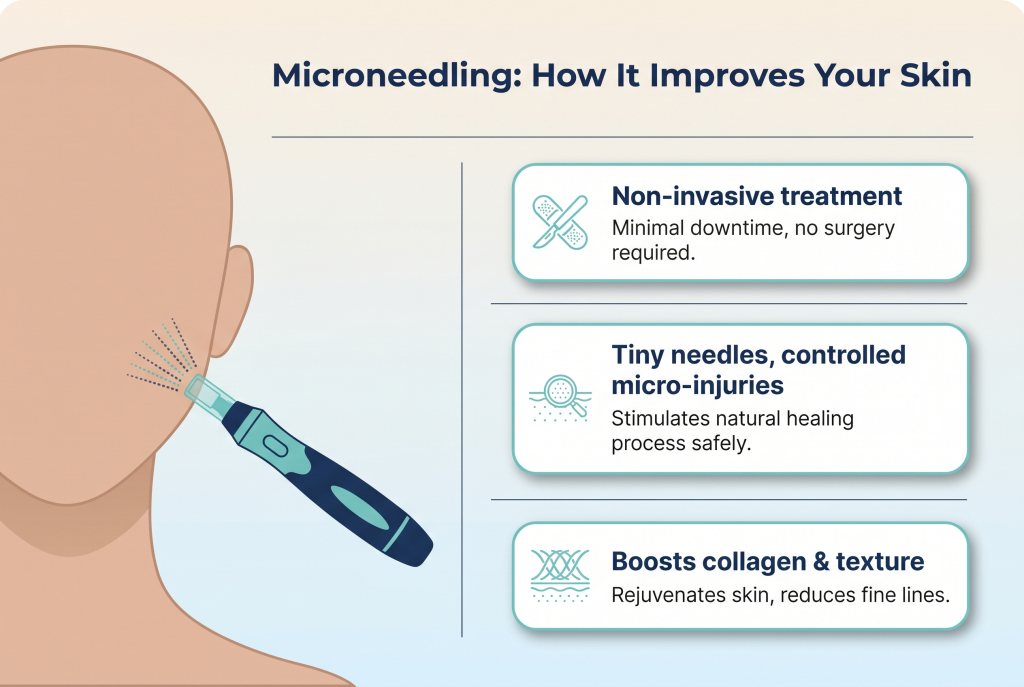
In recent years, technological advancements and a growing focus on DIY beauty have boosted microneedling’s popularity. Now, let’s delve deeper into how this treatment works, and what benefits it offers.
How Does Microneedling Work?
Microneedling addresses texture issues and stimulates collagen production to rejuvenate the skin. Advances in technology have made the process more effective and accessible to many.
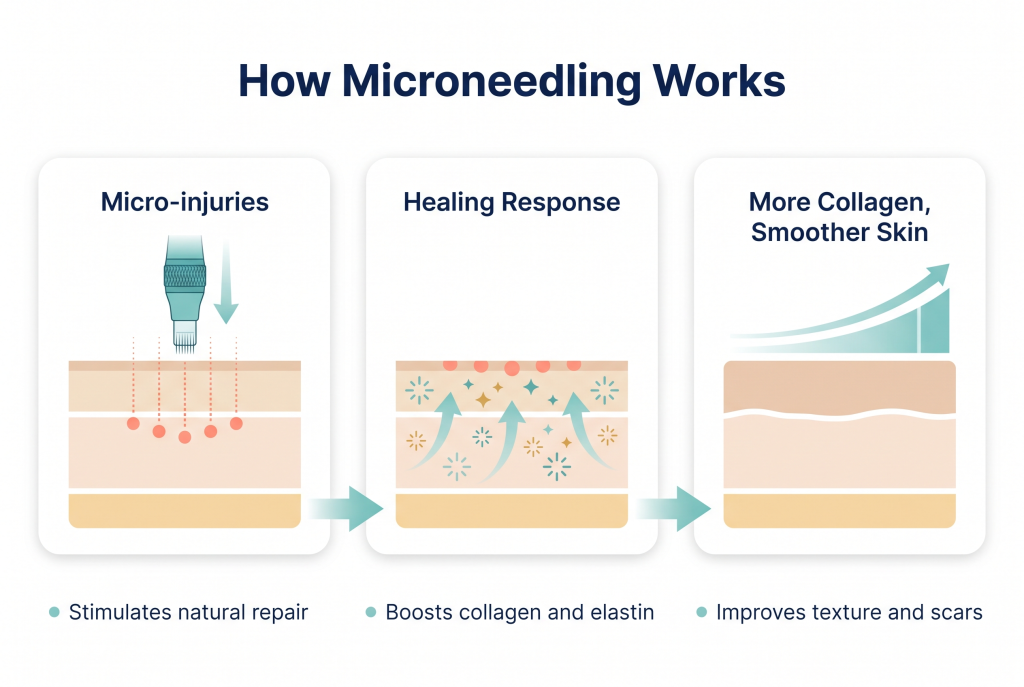
Delving Into the Process
Microneedling might sound intense, but the procedure is gentle and precise. The device, like Dr. Pen’s micro-needling machines, offers various needle depth settings to cater to different treatment needs. This flexibility is integral to addressing diverse skin issues such as laxity or rough texture. Over time, microneedling aids in the synthesis of new collagen fibers, which remodel skin structure leading to firmer and smoother skin.
The procedure is quite straightforward. A numbing cream is usually applied to ensure comfort. Then, the microneedling device is systematically moved across the treatment area. This technique taps into the body’s natural healing process. The skin heals these micro-injuries by producing collagen, a key protein that keeps skin looking youthful and firm.
Benefits of Microneedling?
Microneedling offers a versatile approach to addressing numerous skin problems. It is becoming a staple in aesthetic treatments for its multifaceted benefits.
It treats various conditions including fine lines, scars, and acne. Microneedling also improves skin texture and tone, making it a highly sought-after skincare solution.
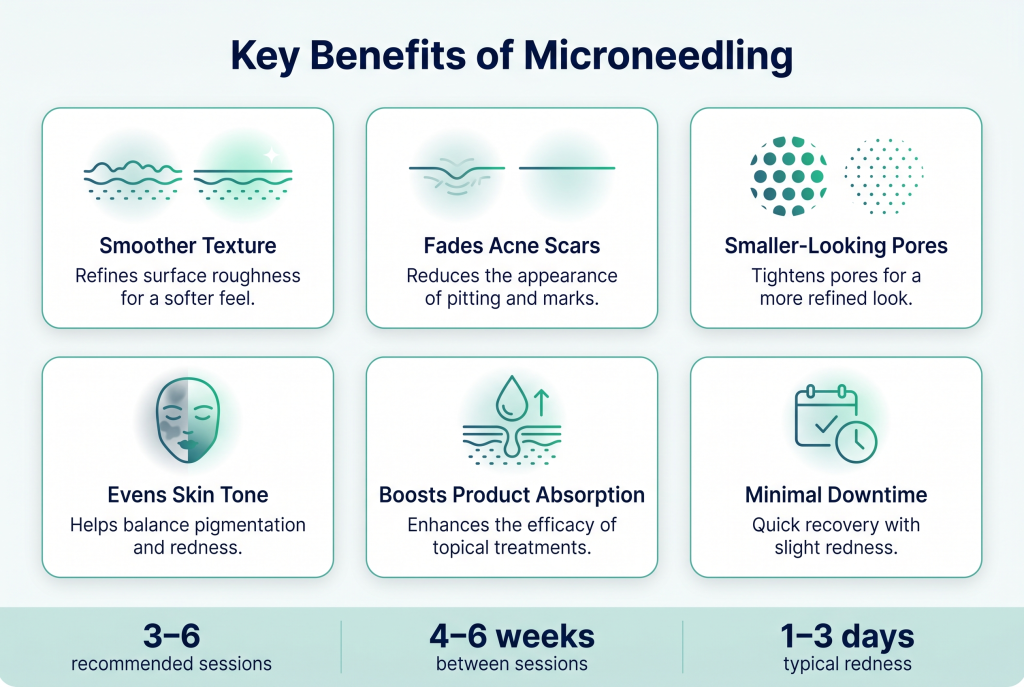
Comprehensive Benefits Overview
Microneedling provides several key benefits. The primary ones include enhanced skin texture and pigmentation. By promoting natural healing, it minimizes the appearance of large pores, diminishes acne scars, reduces stretch marks, and evens out skin tone. Compared to more aggressive treatments, microneedling is less invasive, making it suitable for many skin types.
Alongside these aesthetic improvements, individuals often notice an overall brightening of the skin. The treatment boosts product absorption, enhancing the efficacy of topical skincare. This makes post-treatment care simpler and more effective. As a non-surgical procedure, downtime is minimal, allowing busy individuals to resume their daily activities with ease.
Safety and Side Effects?
While generally safe, understanding potential risks and candidate suitability is crucial for microneedling. Proper assessment ensures optimal outcomes.
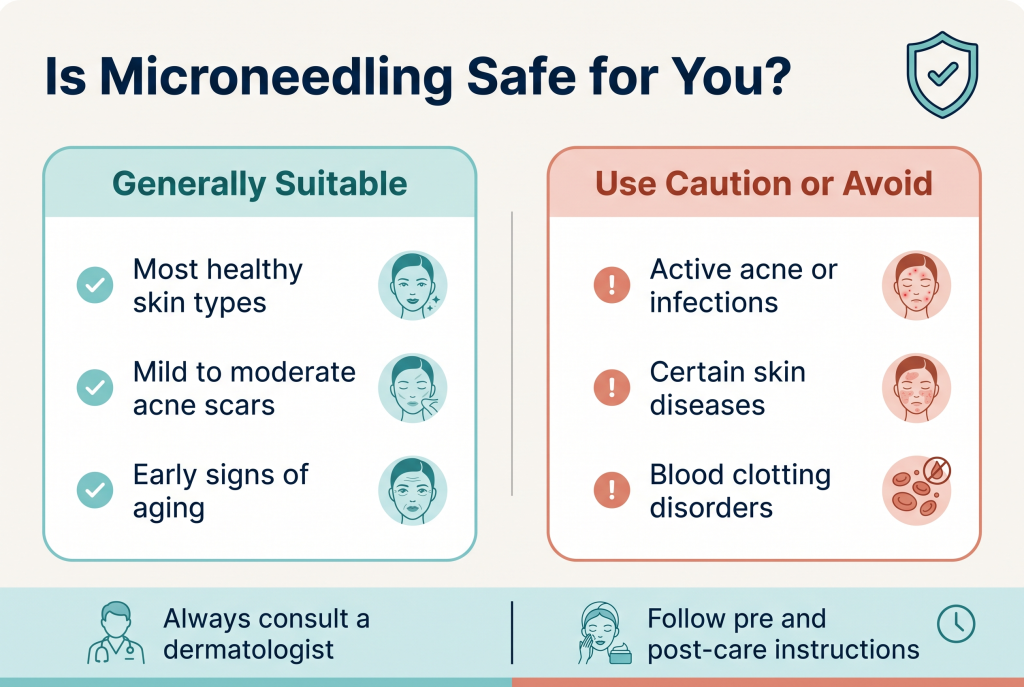
Evaluating Safety Aspects
Microneedling is typically a straightforward and safe procedure when performed by a professional. The process suits various skin types and tones; however, it is essential to avoid microneedling if you have active acne or an existing skin infection, as it may exacerbate these conditions.
Another potential concern is post-treatment erythema or redness, which usually subsides within a few hours to days. It’s crucial to follow pre and post-treatment advice, including adequate sunscreen application and keeping the skin moisturized. These steps minimize potential side effects like irritation or hyperpigmentation.
Anyone considering microneedling should seek a detailed consultation with a skilled aesthetician or dermatologist. They can assess your skin type and recommend appropriate pre-treatment measures to boost your skin’s tolerance and response.
What to Expect During Your First Session?
Preparing for a microneedling session can impact results. Proper understanding of the procedure aids in achieving desired outcomes and maximizing benefits.
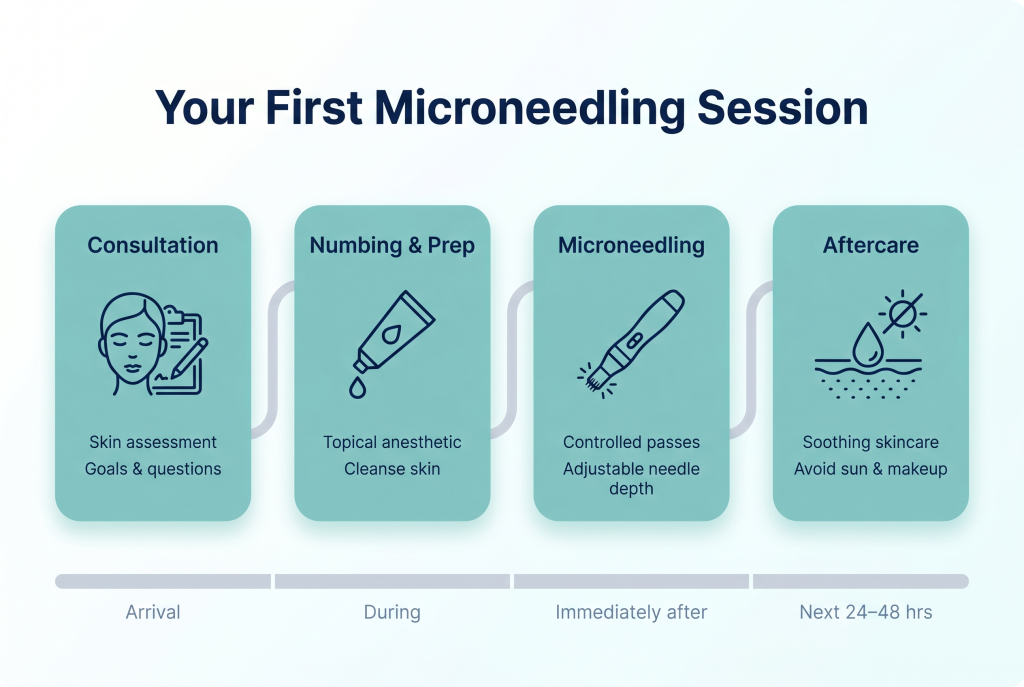
Comprehensive Preparation and Aftercare Tips
Arriving at your first microneedling session, you can expect an initial consultation to evaluate your skin. Specialists determine the most suitable needle depth and pre-session care. It’s recommended to avoid retinoids and exfoliants a week before the treatment to minimize sensitivity.
During the session, a topical anesthetic is applied to numb the treatment area. This helps in ensuring a comfortable experience as the microneedling device is used. Post-treatment, expect the skin to feel tight and possibly red, akin to a mild sunburn.
Aftercare plays a significant role in maximizing results. Apply gentle, hydrating skincare products and avoid direct sun exposure as the skin heals. Using high-SPF sunscreen is vital to prevent hyperpigmentation. Avoid makeup for at least 24 hours and keep the skin moisturized with calming agents like hyaluronic acid.
Microneedling vs. Other Treatments?
Choosing between microneedling and other skin treatments requires understanding the comparative advantages and limitations of each.
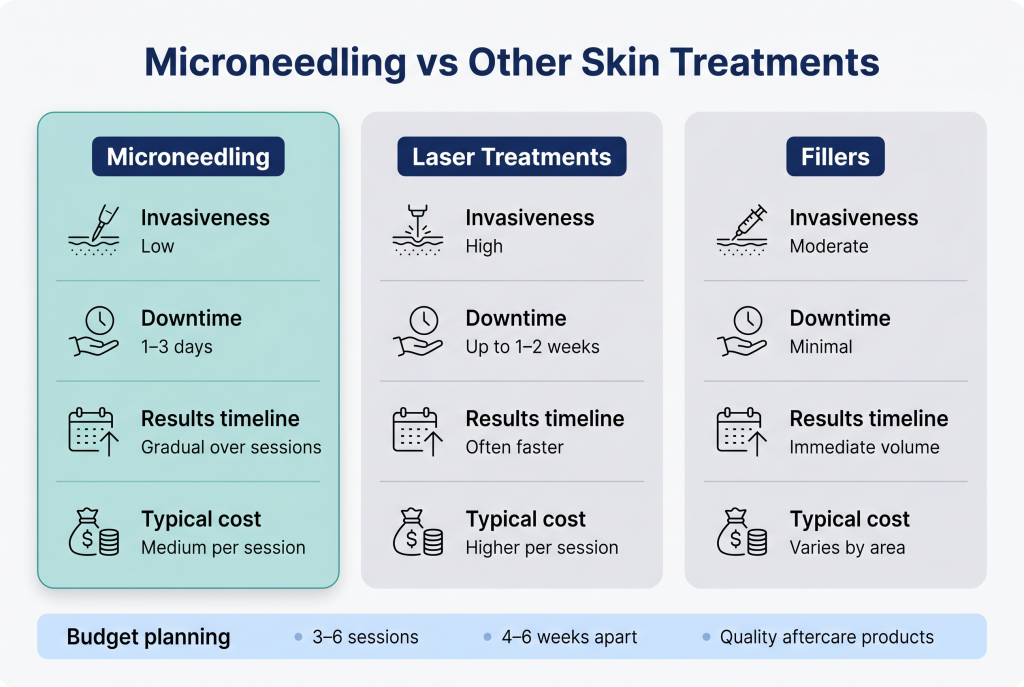
Detailed Comparison of Skin Treatments
When comparing microneedling with alternative treatments like lasers and fillers, each has its distinct benefits and considerations.
Lasers tend to be more invasive but can produce significant results in fewer sessions. They work well for deeper pigmentation and wrinkles. However, they require more recovery time, and if not administered properly, can pose risks of burns or discoloration.
Fillers serve a different function, plumping skin and replacing lost volume rather than treating surface-level issues. They provide immediate results, but typically require maintenance every few months as the filler substance degrades naturally over time.
Microneedling is ideal for individuals who prefer gradual improvements with the added benefit of minimal side effects and downtime. Its ability to improve skincare absorption and address multiple skin issues simultaneously makes it versatile and practical.
Cost and Session Frequency?
Financial planning for skincare treatments involves understanding costs and how often treatments are required for best results.
Microneedling costs vary but typically range from $100 to $700 per session. For optimal results, multiple sessions spaced about 4 to 6 weeks apart are recommended.
Financial Insights and Scheduling Guidance
The cost of microneedling varies based on the region and the clinician’s expertise. Prices can start around $100 for smaller sessions, but detailed treatments may cost up to $700. It’s crucial to view microneedling as an investment in skin health and aesthetic improvement.
Deciding the frequency of sessions depends on individual skin goals. Typically, a series of 3 to 6 sessions is recommended, spaced roughly four to six weeks apart. This timeframe allows the skin to heal and regenerate between treatments effectively.
Budgeting for microneedling should also consider post-procedure products. Investing in quality serums and moisturizers enhances healing and boosts treatment efficacy.
Conclusion
Microneedling offers a promising route to better skin health. For personalised guidance, consult a skincare expert to explore your options.
Related wholesale resources
Need Dr.Pen wholesale pricing?
Tell us your country, product model and estimated quantity. We will recommend suitable models, cartridge options and shipping method.