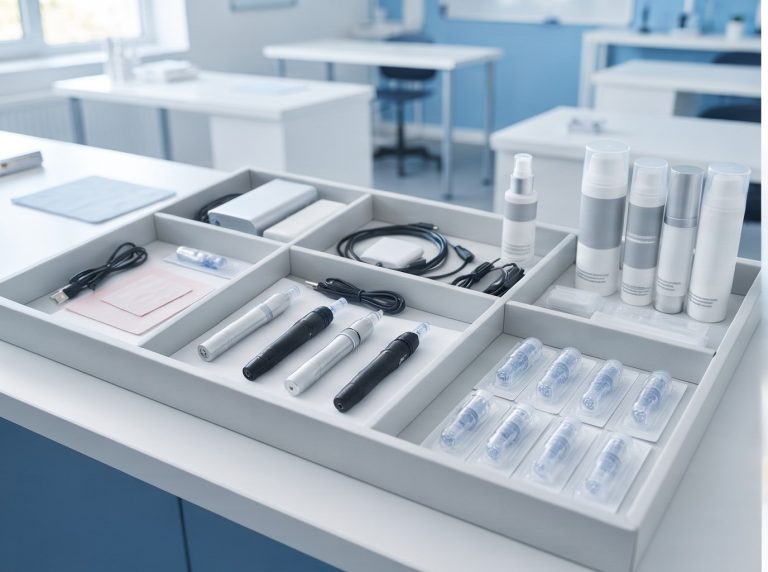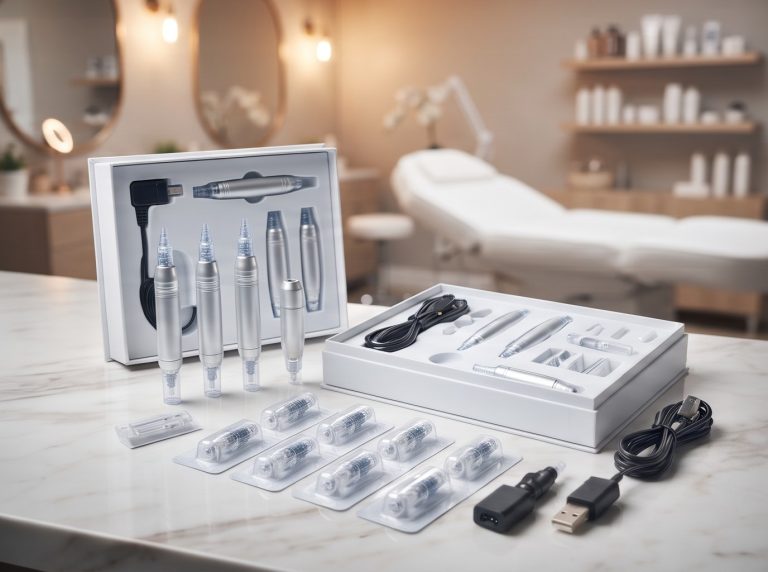

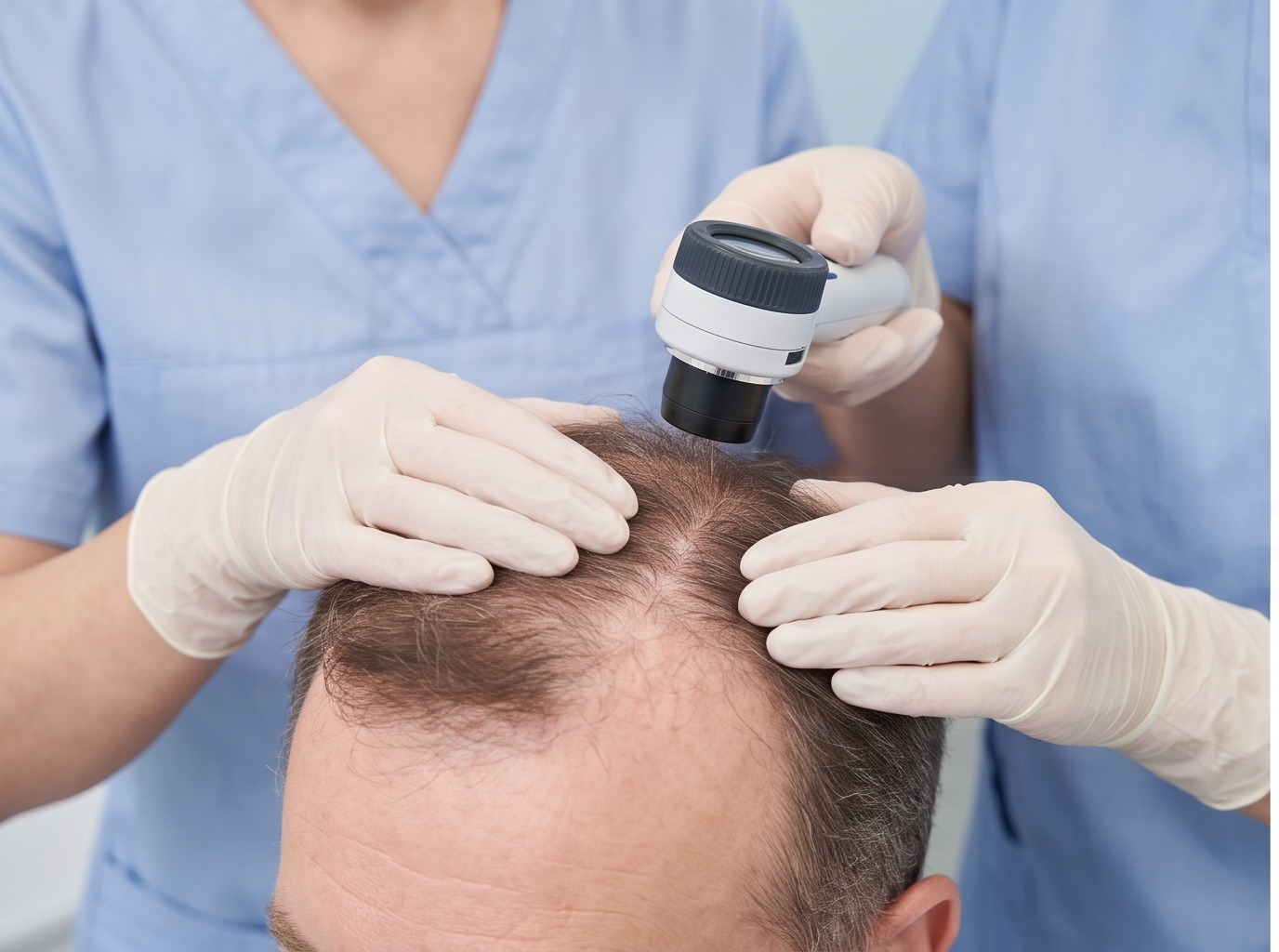
Microneedling for hair growth has attracted interest from hair clinics and aesthetic practices, but it must be presented responsibly. Small clinical studies and reviews suggest that scalp microneedling may support improvement in some hair-loss patients, often as part of a clinician-directed plan. Evidence, protocols and long-term outcomes remain variable, and no clinic should promise guaranteed regrowth.
This guide explains what the evidence means, which safety issues matter and how B2B buyers can plan devices, cartridges and documentation for a professional scalp service.
How scalp microneedling is proposed to work
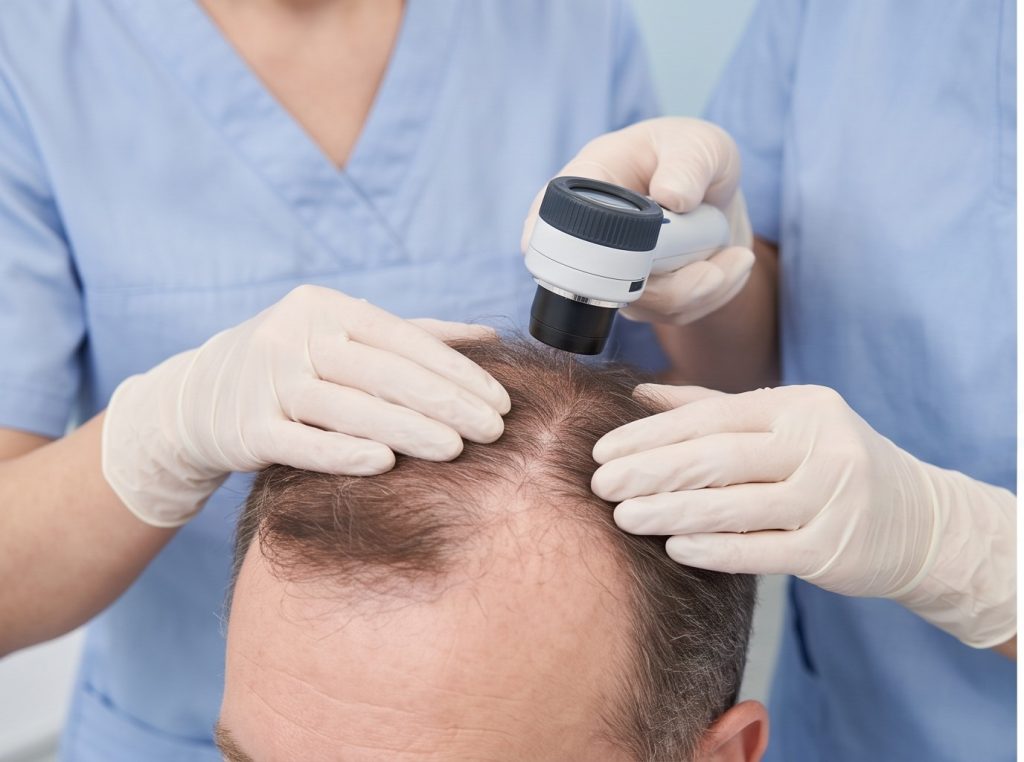
Microneedling creates controlled microscopic injuries that trigger a wound-healing response. Researchers have proposed that this process may influence growth factors, local signaling and the hair-follicle environment. However, mechanisms proposed in research do not guarantee a clinical result for every person or every type of hair loss.
Hair loss has many causes, including androgenetic alopecia, autoimmune disease, scarring conditions, medication effects and nutritional or hormonal factors. Correct diagnosis matters. A client with sudden shedding, inflammation, infection, scarring or an uncertain diagnosis should be referred to an appropriately qualified medical professional.
What does the evidence show?
Published trials and systematic reviews have reported potential improvement in hair density or related outcomes for some patients, particularly when microneedling is studied alongside established therapies. Yet studies use different devices, depths, schedules and comparison treatments. Sample sizes are often limited, so clinics should describe the evidence as promising but still evolving.
The U.S. FDA’s microneedling device information explains that legally authorized microneedling devices have specific aesthetic indications such as facial wrinkles or acne scars. Buyers should not assume that authorization automatically covers hair growth, scalp treatment or delivery of drugs and biologics. The FDA also states that microneedling devices are not authorized for delivering cosmetics, topical medications, vitamin solutions, drugs or blood products into the skin.
Client screening and safety
Professional screening should cover diagnosis, medications, allergies, infection, inflammatory scalp disease, wound-healing history and other medical factors. The practitioner should document informed consent, explain expected redness or discomfort and provide aftercare instructions. Local rules determine who may perform the procedure and under what supervision.
- Do not treat an actively infected, inflamed or damaged scalp.
- Use a new sterile single-use cartridge for every client and session.
- Follow the exact device instructions and qualified training.
- Do not improvise unapproved product delivery through the channels.
- Document settings, cartridge type, batch reference and client response.
- Explain when the client should contact a medical professional.
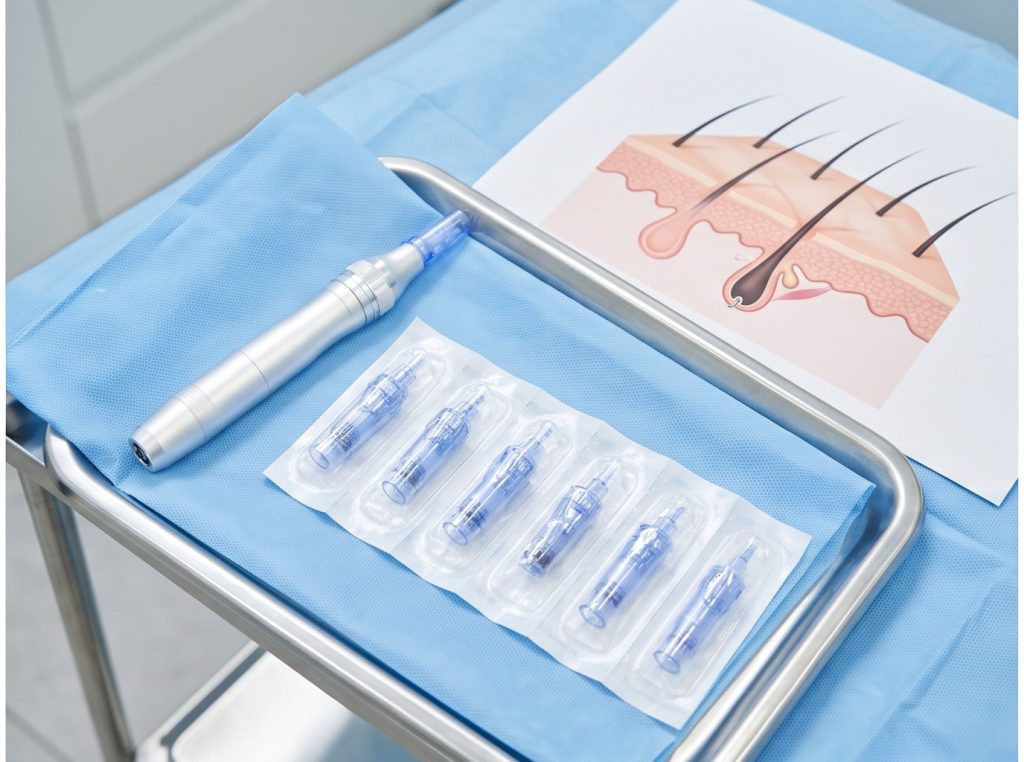
Clinic protocol and staff training
A written protocol should define client selection, contraindications, preparation, device setup, treatment records, cleaning, waste disposal, aftercare and incident escalation. Treatment depth and frequency should never be copied from social media or chosen simply because a more aggressive setting appears stronger. They must follow product instructions, training and local professional standards.
Before launching the service, clinics should test the operational workflow without treating a client: charging, speed control, cartridge attachment, seal inspection, depth adjustment, safe disposal and documentation. Staff should know the difference between product features and medical claims.
B2B device and cartridge buying checklist
- Exact model: confirm the handpiece version and intended use.
- Compatibility: list every compatible cartridge family and pin option.
- Sterility: inspect individual packaging and expiry information.
- Supply plan: estimate sessions, monthly cartridge use and safety stock.
- Support: compare warranty, quality-issue handling and replacement process.
- Documentation: request information for the exact products and verify local requirements.
Clinics building their first order can use our microneedling supplies wholesale guide to calculate device-to-cartridge ratios. Buyers comparing suppliers should also review our microneedling device supplier checklist.

How to prepare a wholesale inquiry
Send the supplier your destination country, business type, preferred model, quantity, expected monthly cartridge use, pin configurations and packaging requirements. Ask for the exact warranty terms, current stock and shipping estimate. Justech supports flexible MOQ, tiered pricing, ready-stock planning, customization and a two-year device warranty under the confirmed quotation and product terms.
Request a professional scalp-service supply plan
Tell us your country, clinic type, preferred pen, device quantity, cartridge demand and packaging needs. We will help you compare compatible equipment and replenishment options without making unsupported treatment claims.
Frequently asked questions
Does microneedling guarantee hair regrowth?
No. Outcomes vary, evidence is still developing and hair loss has many causes. A responsible provider should avoid guarantees and recommend appropriate diagnosis.
Can clinics apply topical products during microneedling?
Do not assume a device is authorized to deliver topical drugs, cosmetics or biologics. Follow the exact device instructions, applicable regulations and qualified medical guidance.
Can scalp cartridges be reused?
No. Use a new sterile single-use cartridge for one client and one session, then dispose of it according to local rules.
This article is general educational and procurement information, not medical advice.