
When was the last time you replaced a vital part in your home? Neglecting replacements can lead to costly repairs and breakdowns.
Replacement tips are crucial for maintaining efficiency and prolonging the lifespan of everyday items. They ensure your household runs smoothly and safely.
Replacing items is not just about maintenance; it’s an investment in safety and longevity.
Introduction to Replacement Tips?
Feeling overwhelmed by the constant need for replacements? You’re not alone.
Replacement tips involve guidelines and products to swap out old or broken items, maintaining optimal performance and safety at home.

Understanding the basics of replacements helps in preventing unexpected failures. This knowledge empowers homeowners to proactively address wear and tear.
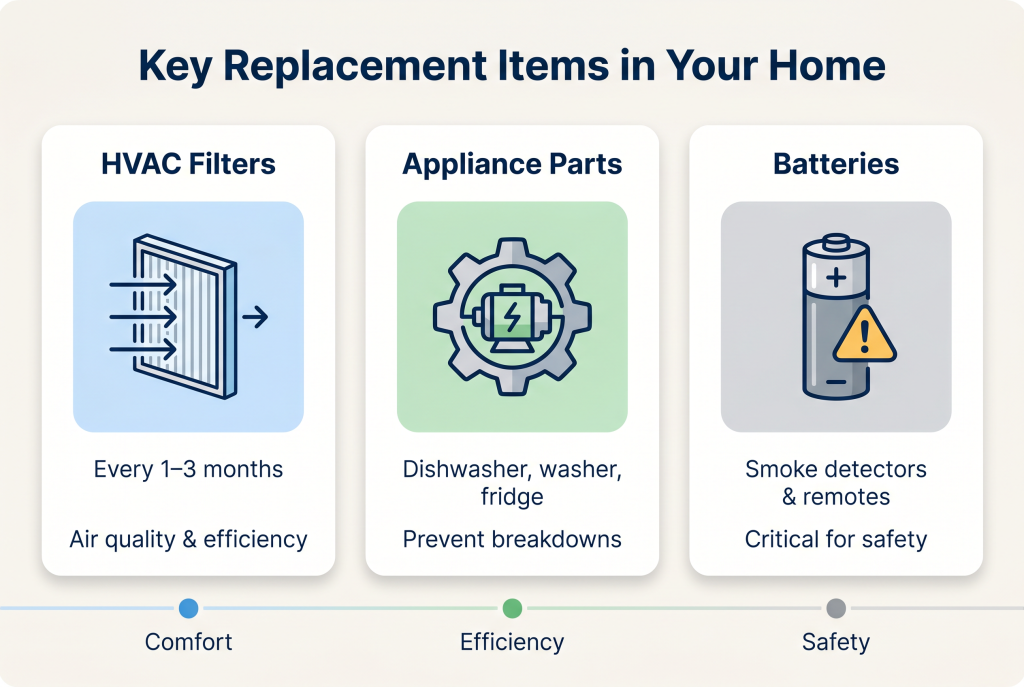
One of the primary purposes of replacement tips is to enhance operational efficiency in a household. Items such as HVAC filters, appliance parts, and batteries often require periodic replacement to function correctly. Regular updates and replacements ensure devices don’t overwork or pose safety risks. This practice not only extends the life of various appliances but can also lead to significant energy savings over time.
Why You Should Replace Items Regularly?
Worried about unnecessary expenses from regular item replacements?
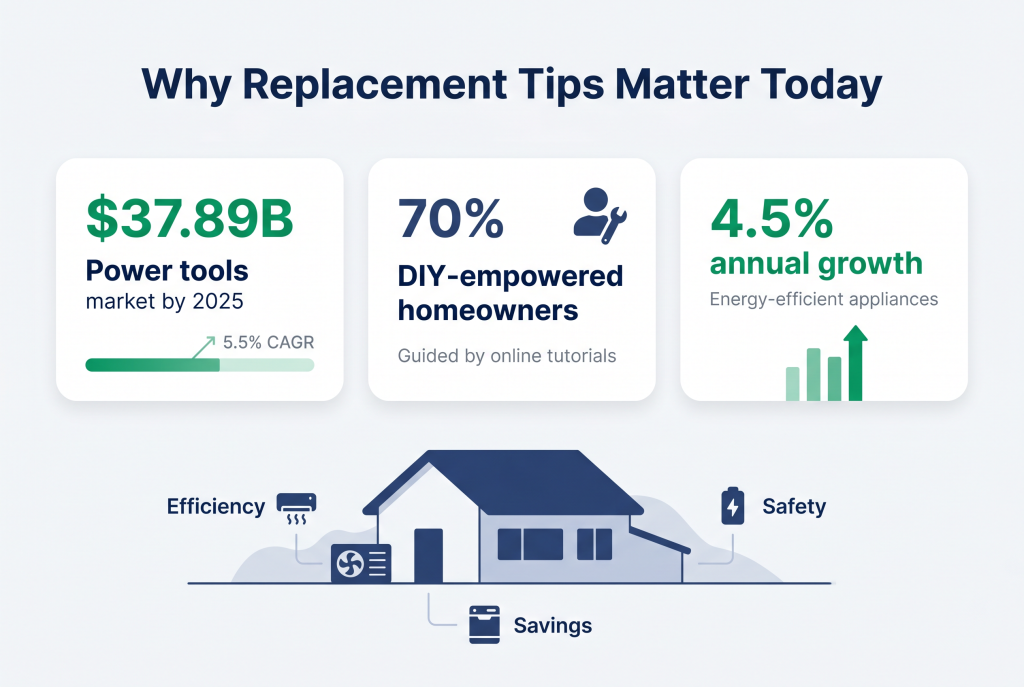
Timely replacements increase efficiency, decrease energy consumption, and prevent safety hazards, offering peace of mind and lower long-term costs.
Considering regular replacements might seem costly at first. However, the long-term benefits far outweigh the initial investment. Regular replacements decrease the likelihood of significant malfunctions that could lead to even higher costs. Updating your household items ensures better performance and longevity of your appliances, which results in noticeable savings on your energy bills. Regular replacements can reduce potential safety issues, minimizing the risk of accidents or fires, and ensuring a safe environment for your family.
Common Household Items Requiring Replacement?
Worried about missing essential replacements around your home?
Common replacements include HVAC filters, worn appliance parts, and old batteries, crucial for maintaining home efficiency and safety.
A well-maintained home involves recognizing the everyday items that need frequent updating. For example, HVAC filters in your air conditioning system should be replaced every 1-3 months for optimal air quality and system efficiency. Appliance parts in devices like dishwashers or washing machines occasionally require part swap-outs; otherwise, they risk consuming more energy, or worse, breaking down when you need them most. Another example is batteries – regularly checking and replacing them in smoke detectors is a simple act that can save lives. Keeping up with these replacements ensures that systems continue to work effectively, providing comfort and security to your household.
Step-by-Step Replacement Guides?
Finding the right guidance for replacements feels like a daunting task?
DIY guides provide easy steps to replace household items, from identifying needs to choosing tools and executing replacements safely.
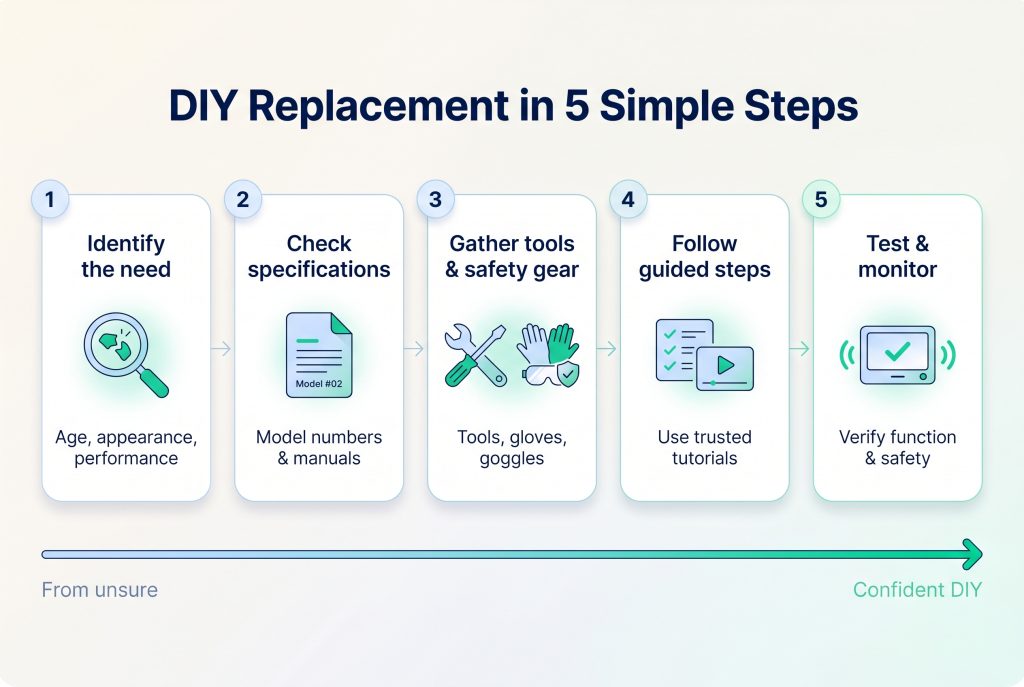
Embarking on your DIY replacement journey begins with understanding each item’s specific needs and how to execute the swap accurately. For many common household tasks, simple checklists can significantly smooth the DIY process. Start by identifying the need—the item’s age, appearance, and function might signal it’s time for a change. Next, ensure you have the correct tools and any necessary safety equipment; this minimizes potential mishaps during the replacement. When executing DIY replacements, the instructions and safety measures you follow ensure not only your safety but also the longevity and correct function of the item. Each project, whether it be a lightbulb or a battery swap, can be achieved with a clear understanding and careful planning.
Best Practices for Choosing Replacement Products?
Unsure about choosing the right products for replacements?
Choosing replacement products involves considering brand reliability, materials, and alignment with the original specifications for best results.
The selection process for replacement products can significantly impact the outcome of your DIY projects. First, prioritize items from reputable brands known for reliability and quality. Such identification usually guarantees longevity and compatibility, ensuring efficient performance. Moreover, evaluate the quality of materials—durable and safe options might cost more upfront, yet provide long-term satisfaction. Lastly, ensuring compatibility with your original item specifications avoids potential disappointments. Understanding these aspects forms a critical part of achieving effective replacements, aligning with your expectations.
Cost-Effective Solutions and Alternatives?
Feel like replacements cost too much?
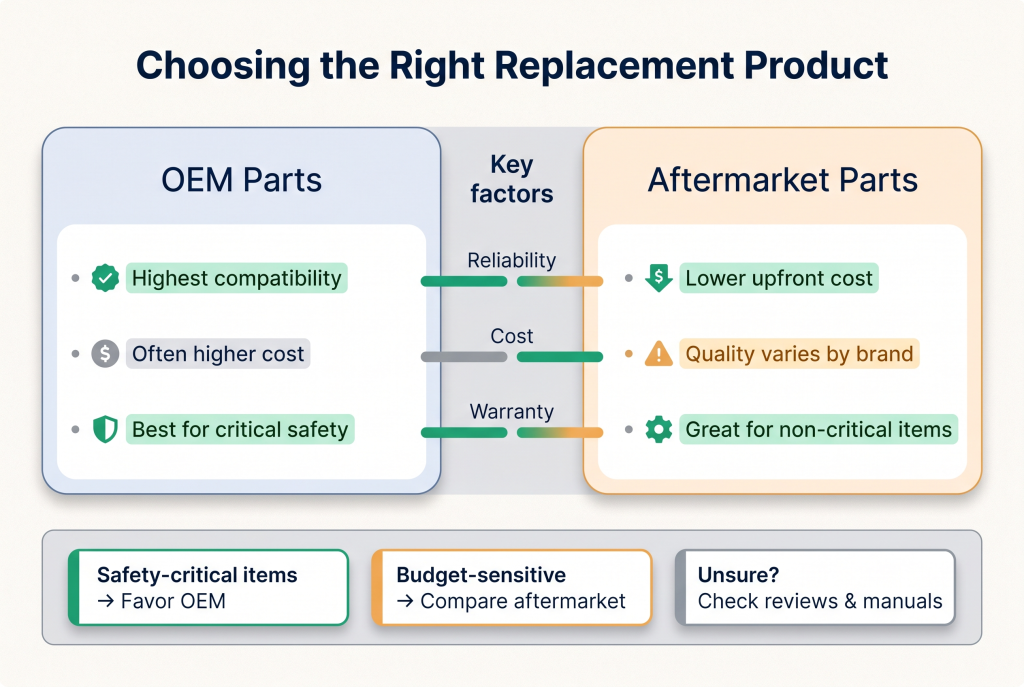
There are budget-friendly options like aftermarket parts that mimic original replacements, reducing costs without compromising function.

As consumers seek more cost-effective solutions without sacrificing quality, alternatives such as aftermarket parts become attractive. These options are typically less expensive than OEM (Original Equipment Manufacturer) parts, yet they perform well. To be prudent, one must balance cost with quality assurance. Using a blend of originals where critical safety or function depends, and alternatives where possible, is often an efficient strategy. Moreover, adopting eco-friendly options demonstrates a commitment to sustainability, reducing both costs and environmental footprint.
When to Seek Professional Help?
Wondering when DIY might not suffice?
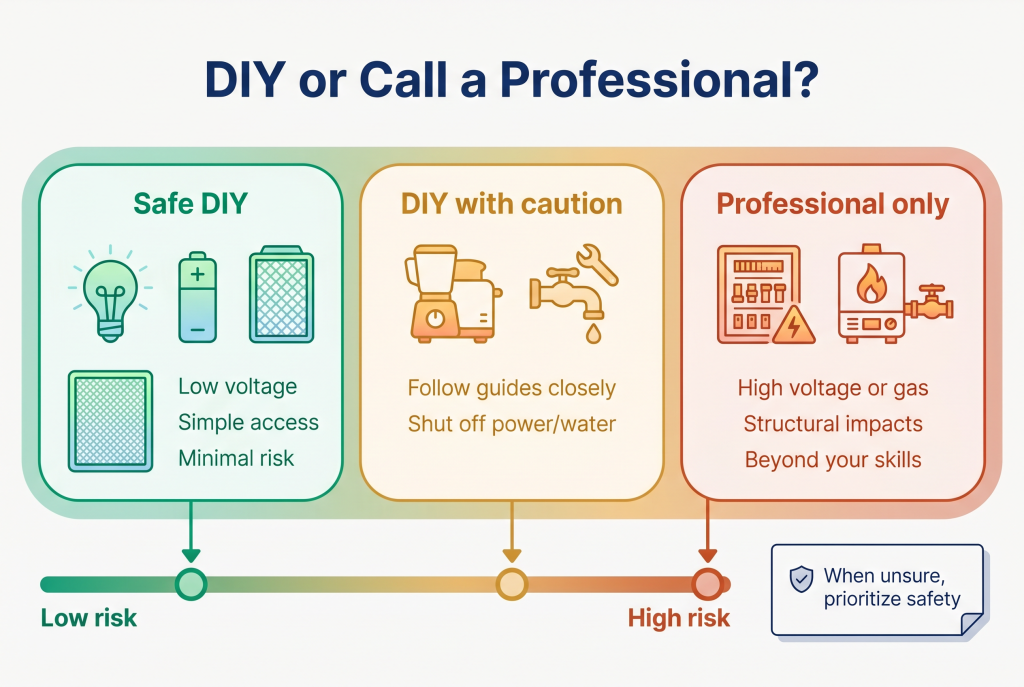
Opt for professional help when tasks exceed your skill level, ensuring safety and effective replacements without the hassle of potential faults.
Navigating through the realm of replacements isn’t always straightforward. Sometimes the best choice involves seeking professional help. This decision should depend on two major aspects: complexity and safety. If a task appears complex and beyond your technical confidence, or involves potential safety hazards (like electrical or structural projects), consulting professionals can prevent dangerous mistakes. While DIY saves costs, specialist intervention assures correct installation and operational safety, and might save more than it costs by avoiding errors.
Conclusion
Choosing to embrace DIY replacements empowers you to maintain home efficiency cost-effectively.
FAQs on Replacement Tips?
Confused by the dos and don’ts of replacements?
Many wonder about timing, compatibility, and DIY feasibility; understanding these provides clarity to effectively manage replacements.
Many homeowners grapple with questions around replacements. “How often should filters be replaced?” or “Is there a universal fix for faulty components?” Understanding specifics, such as manufacturers’ guidelines and regular inspection schedules, helps demystify replacements. Others query about part compatibility – advice centers around keeping similar specifications to the original parts. Lastly, for those asking about DIY feasibility, it’s essential to assess personal skill levels realistically. These answers not only aid individual understanding but also promote successful, confident completion of replacement tasks—an integral part of maintaining a cost-efficient, smooth-running home.