

How to distinguish between true and false needle rollers
There are many derma rollers on the market and you ought to differentiate between the real ones and fake ones
There are many derma rollers on the market, and you should distinguish between genuine ones (usually 192 needles) and fake ones (more than 500 needles). Real derma rollers are made up of individual needles, while fake ones look like serrated blades (which are not actually needles)—which can cause serious damage to your skin. For example, if you use counterfeit products, it may cause uneven skin surface, or even scratches and inflammation.
Now that we have those questions out of the way, let’s get back to the main topic and discuss two commonly spread myths about derma rollers:

Myth 1: There is true depth of penetration at 90° using a pen device.
-The needles in a roller come around into a 90° position during rotation as well. There is more chance of not attaining true depth using a pen due to practitioner error if the device is not held perpendicular to the skin.
-Some vendors of electric devices offer needle lengths up to 3 mm. However, almost all devices on the market do not have sufficient power to achieve these depths. After a certain depth, the needles just push away the skin and the skin starts to catch on the needles (fakir effect).
Myth 2; The sloped insertion of the needles on a roller slice or tearing the skin to create trenches (“much more traumatic”) whereas vertical insertion with a pen is less “traumatic”, leading to less downtime.
-Greater erythema may occur with rollers due to the release of histamines from the mechanical pressure the drum exerts on the skin. This lasts hours, not several days, as suggested by some.
-The needles in electronic devices move so rapidly that maceration of the skin may occur, leading to longer downtime. Additionally, it is impossible to know if they are in or out of the skin as the device is moved across it. Thus, there will also be a cutting action (similar to a jig-saw mechanism) involved in using these devices, unless it is held stationary and then lifted to the next spot (stamping technique), in which case the holes will become enlarged because each needle will have penetrated multiple times in the same spot. At the end of the day, the goal is to traumatize the skin, and both modalities do it in such a minimal manner to the point of being non-ablative and non-scarring. Attempts to create distinctive differences between rival devices only serve to confuse clinicians and consumers, while undermining the very science that forms the foundation of all the needling devices. Each device has its valuable place and can be sold on its own merits without distorting the facts.
All information was acquired from “The Concise Guide to Dermal Needling Third Medical Edition” by Dr. Lance Setterfield.
When performing skin acupuncture, precision and force are crucial. Different types of equipment can affect the final result, so it’s important to choose the right tool. Each device has its own unique design and functionality to meet the needs of different patients. When clinicians use these devices, they should fully understand their scope of application and potential effects in order to provide patients with the best treatment options. The right combination of technology and knowledge will help improve treatment outcomes and ensure patient satisfaction.
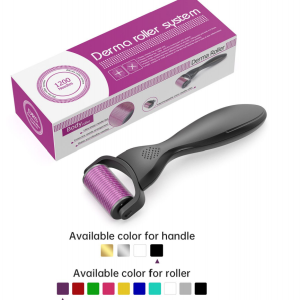
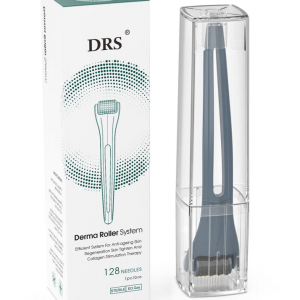
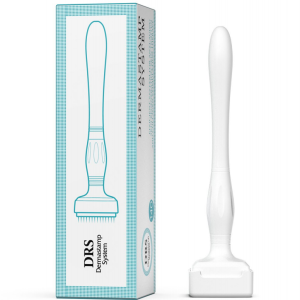
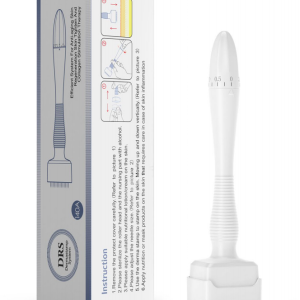
Recommendations for Using the Skin Roller
When using a derma roller, you first need to ensure that the equipment is clean and disinfected to avoid bacterial infection. Secondly, choosing the right needle length is crucial, and beginners are usually advised to use shorter needle lengths, such as 0.25mm or 0.5mm. When using, the movements should be gentle and even, and avoid excessive pressure. After each use, it is recommended to apply a repair serum to help the skin recover better.
Additionally, regular replacement of your derma roller is key to maintaining results. It is recommended to replace the needle every 3-6 months to ensure the sharpness and effectiveness of the needle. At the same time, users should regularly consult professionals according to their own skin conditions to obtain personalized care advice.
